Midnight in Columbus, Noon in Nagano: Inside the Request Line That Turned a Local Show Into a Global Hangout
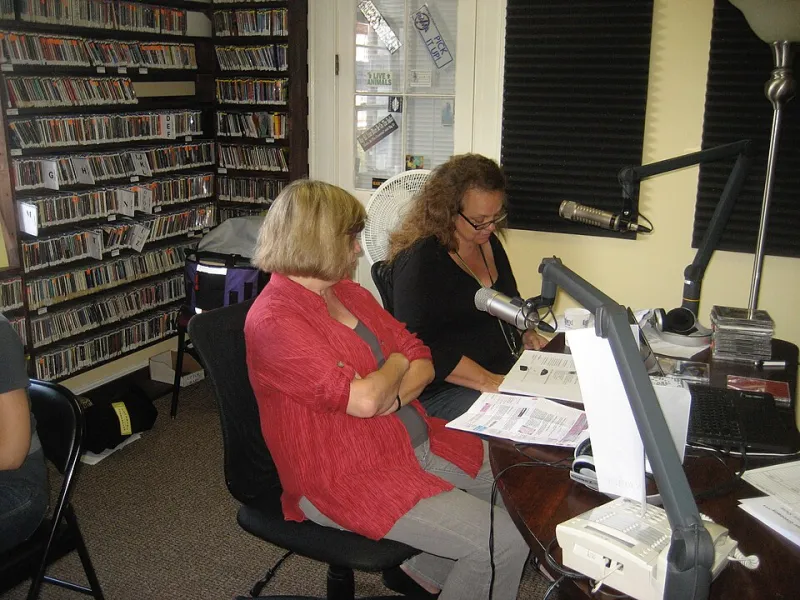
Photo: Infrogmation of New Orleans, CC BY-SA 4.0, via Wikimedia Commons
The first thing you notice is the pause. Not a technical delay — a human one. Somebody on the other end of the line is doing math: half-remembered Japanese, a song title written out phonetically on a sticky note, a DJ on a mountain in Japan waiting patiently for a stranger in the American Midwest to finish a sentence.
And then the DJ laughs, says the name back wrong, and plays the song anyway.
How an American Ends Up on Hold at 1 A.M.
FM Nagano's live request show airs midday in Japan, which puts it squarely in the dead of night across most of the US. That time-zone gap should be a barrier. Instead, it's become a filter — the listeners who call really, really want to.
The math varies depending on where you are. East Coast callers are looking at something like 10 p.m. to midnight. The Midwest lands later. The West Coast crowd gets the friendliest slot of all, catching the show in their evening. Nobody organizes this. People just figure it out, pass along the window in fan forums, and set alarms.
"I have a whole routine," says a caller from outside Columbus who's been dialing in for the better part of a year. "Phone charged, earbuds in, notes app open so I don't blank. I've practiced saying the song title out loud maybe fifty times before I dial."
The Etiquette of Calling In
There's an unwritten code among the American callers, passed along mostly by observation. Keep it short. Say where you're from. Try the Japanese, and if it falls apart, laugh at yourself and try again. Don't treat the DJ like a novelty.
That last one matters more than the rest. The show isn't a tourist attraction, and the regulars know it. The pleasure isn't in being a foreign curiosity — it's in being a voice on the line like any other voice on the line, with a song in mind and a minute to spare.
Some callers have developed running bits with the hosts. One listener in Colorado always requests something from the same regional artist and gets gently ribbed for it. Another caller from Michigan has apparently become recognizable enough that the DJ greets them before they finish saying hello.
What the Show Actually Plays
Here's the overlooked part of the story: the request line has become a genuine discovery channel for American listeners chasing Japanese indie and emerging acts.
Because requests are listener-driven, the playlist skews toward whatever people are actually excited about — local bands with a single out, small-label releases that never reach streaming algorithms, artists getting their first airtime. A caller asking for a track puts it in front of everyone else listening, including the Americans on the other side of the world.
Fans have started keeping informal logs. Playlists built from call-ins. Threads where people trade titles they Shazam'd off the stream and then spent three hours hunting down. It's A&R by accident — a bunch of insomniacs and a live phone line.
Several of the most-requested tracks among US listeners first entered the fandom's vocabulary because somebody drunk-dialed the show at 12:40 a.m. and asked for it by half the title.
The DJs Playing Along
The hosts, for their part, have leaned into it with an easy warmth. They ask what the weather is like where you are. They repeat the song name back slowly so you can correct it. They translate a caller's greeting for the audience without making a production of it.
There's a small ritual developing around the sign-off — a caller says where they're from, the DJ names the city, and for a second the broadcast is genuinely two places at once.
It's not slick radio. It's a phone call, broadcast live, with all the dead air and mispronunciations that implies. Which is exactly why people keep dialing.
Why It Works
A request line is the oldest interactive format in radio and arguably the most human. There's no comment section, no reply guy, no algorithm scoring your taste. There's a number, a person, and a song.
For American listeners who found this station through playlists and stayed for everything else, the request show is the closest thing to actually standing in the building. You're not watching clips. You're not reading a translation. You're on the line, live, with a DJ who has one eye on the clock and the other on a stranger's half-pronounced song title.
So the alarms keep getting set. The sticky notes keep getting written. And somewhere in Ohio, at an hour no reasonable person should be awake, a song from a small label in a mountain town gets played for the second time that week — because somebody called.