The Mountain Scene You've Never Heard Of: Nagano's DIY Music World Is Calling
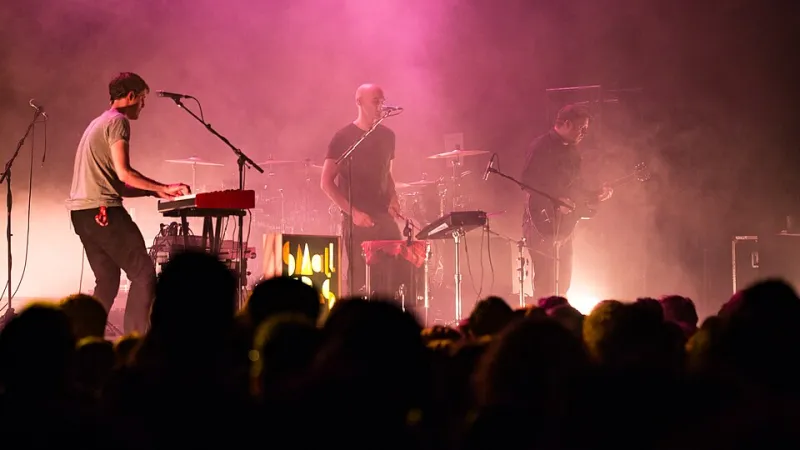
Photo: Martin Kraft, CC BY-SA 3.0, via Wikimedia Commons
Let's be honest — when most Americans think of Nagano, they picture ski jumps, speed skating, and maybe that one episode of The Simpsons set at the Olympics. The 1998 Winter Games put this Japanese mountain city on the global map, and then, as far as Western pop culture was concerned, it kind of... stayed there. Frozen in that one moment.
But Nagano didn't stop moving. And right now, underneath the cedar forests and alpine quiet, there's a music scene doing things that would make Brooklyn or Portland sit up and pay attention.
A City That Builds Its Own Culture
One of the first things you notice when you start digging into Nagano's creative community is how self-sufficient it is. This isn't a city waiting for Tokyo to tell it what's cool. There's a long tradition of locals building their own venues, their own labels, their own audiences — and doing it with the kind of resourcefulness that any American DIY scene would recognize instantly.
Think of the way the Pacific Northwest music scene in the 90s grew from a network of all-ages venues, zines, and community radio before Nirvana made everyone pay attention. Nagano's indie world has that same grass-roots energy, minus the major label feeding frenzy (for now).
Venues range from intimate live houses — Japan's version of the small club, typically holding 50 to 200 people — to genuinely unconventional spaces. There are shows happening in renovated old buildings, community halls, and spots that defy easy categorization. The vibe is less about prestige and more about participation. You don't just attend a show in Nagano's underground scene; you become part of it.
FM Nagano as the Scene's Amplifier
Here's where FM Nagano becomes more than just a historical footnote — it's an active player in the current moment. The station has maintained a genuine commitment to local artist discovery that most commercial radio abandoned long ago. For emerging Nagano musicians, getting airplay on FM Nagano isn't just a vanity metric. It's community validation, a signal that your work belongs in the broader cultural conversation of the region.
Think of FM Nagano as playing a role similar to what KCRW does for the LA music scene or what WNYC's Soundcheck did for New York artists — a trusted curatorial voice that bridges underground creativity and general audiences. When FM Nagano puts a local act in rotation, it opens doors. Venues book them. Fans discover them. The ecosystem moves.
For American fans interested in following Japanese indie music, FM Nagano's programming — increasingly accessible through streaming and online radio platforms — functions as a surprisingly reliable compass. If the station is excited about an artist, there's usually a good reason.
Artists Worth Your Attention Right Now
Nagano's scene doesn't fit neatly into a single genre box, which is honestly part of its appeal. You'll find artists working in shoegaze-adjacent territory, lo-fi folk, experimental electronic, and a distinctly Japanese take on post-punk that draws from both Western influences and traditional musical textures. It's genre-fluid in the way that the best regional scenes always are — defined more by attitude than by sound.
While specific artist names shift as the scene evolves, the throughline is a commitment to emotional authenticity over commercial polish. These are musicians making records in small studios, self-releasing on Bandcamp, playing shows to 80 people who care deeply — and occasionally getting picked up by FM Nagano for a session or an interview that introduces them to a wider regional audience.
For US listeners, the discovery path is genuinely accessible. Bandcamp's search tools, combined with following FM Nagano's social channels and online programming, can open up a rabbit hole that rivals anything you'd find on a Pitchfork best-of list. The difference is it feels undiscovered, which is a feeling that's increasingly rare in the streaming age.
How American Fans Can Actually Plug In
Okay, so you're intrigued. How do you actually connect with a music scene that's happening on the other side of the Pacific? Here's the good news: the barriers are lower than you'd think.
Stream and follow. FM Nagano's online presence gives international listeners a real-time window into what's moving in Nagano right now. Treat it like you would a favorite college radio stream — something to have on in the background that occasionally surfaces something that stops you cold.
Dig on Bandcamp. Japanese indie artists have embraced the platform enthusiastically. Searching by location or genre tags related to Japanese indie, shoegaze, or lo-fi will surface Nagano-connected artists. And buying directly on Bandcamp means your money goes straight to the artist — an especially meaningful act when you're supporting someone building a music career in a regional scene far from major industry centers.
Follow the Japanese music press. Publications and blogs covering Japanese indie music — some of which publish in English or have English-language sections — often spotlight Nagano artists, particularly around festival season. These outlets cross-reference with FM Nagano programming regularly.
Merch as cultural exchange. Several Nagano artists and local venues sell merchandise that's shippable internationally. Wearing a shirt from a Nagano live house or owning a vinyl pressing from a local label is a small but real act of cultural participation. It also tends to spark conversations.
Why This Scene Deserves Your Curiosity
There's something genuinely refreshing about a music community that isn't optimized for virality. Nagano's indie scene exists because people there love music and want to make and share it — not because they've cracked some algorithm or landed a sync deal. That's not naive romanticism; it's just what happens when geography keeps a scene insulated enough to develop its own character.
For American indie fans who've felt like every new "underground" scene gets discovered, monetized, and flattened within about six months, Nagano offers something different. The distance is actually a feature. The scene has room to breathe, and the artists in it are developing voices that don't sound like anyone else.
FM Nagano is the thread that ties it all together — the station that's been listening to this community for decades and knows where to point you. All you have to do is tune in.
The mountain scene is calling. It's quieter than you're used to, but that's kind of the whole point.
