Forty Years of Dust and Magic: A Week Tracking in FM Nagano's Analog Studio
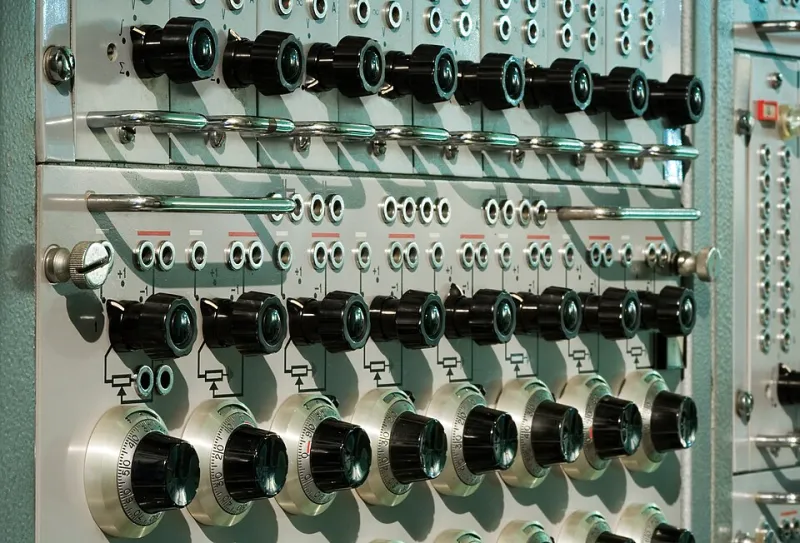
Photo: Jorge Royan, CC BY-SA 3.0, via Wikimedia Commons
Let me get the obvious question out of the way: yes, the gear is real, and yes, it sounds like that.
I'm a producer from Nashville. I've cut records on everything from a $400 interface to a Neve-loaded room in Muscle Shoals. Last month, through a connection I still half-believe, I spent a week tracking a session inside FM Nagano's broadcast studio — the one American producers have been mythologizing on gear forums for years.
Here are my honest notes, the flattering parts included.
Day One: The Room Is Not Romantic, It's Practical
The studio is not a museum. That's the first thing that surprised me. I expected velvet ropes and reverence. Instead I found a working broadcast room that happens to run on a 1980s console, tape machines that get daily maintenance, and outboard gear patched in configurations no manual would endorse.
The chief engineer, who has worked the room for over three decades, watched me gawk and shrugged: "It's a tool. It's here every day."
That framing changed my whole week. This isn't gear-as-shrine. It's gear-as-daily-driver, and that's why it sounds alive.
What Actually Happened in the Sessions
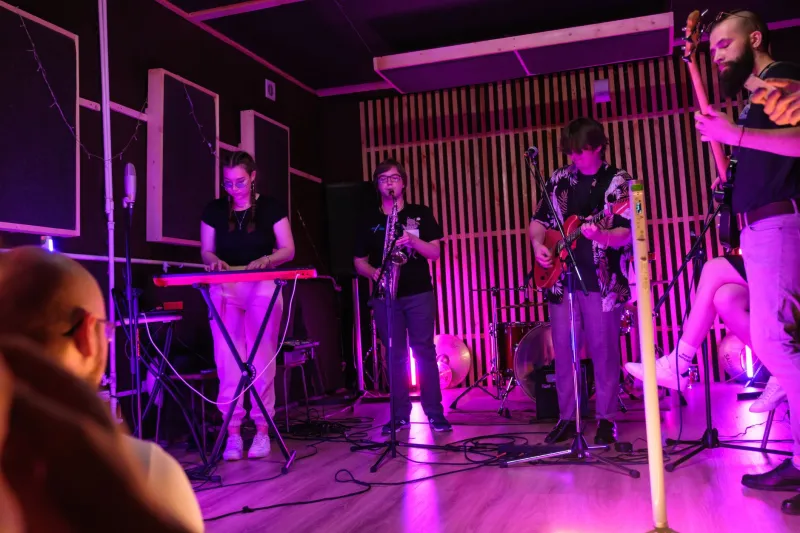
We tracked a four-song session with a small ensemble — guitar, keys, upright bass, light percussion. Constraints showed up immediately.
- Limited tracks force decisions. We had nowhere near the track count I'm used to. Every part had to earn its place on tape. No "we'll fix it in the mix." No comping seventeen takes.
- The tape machine is a deadline. Committing to tape makes everyone in the room listen harder. The bassist told me later it was the most focused session of his year.
- The room itself is an instrument. The live space has an uneven, characterful sound you can't model. Bleed isn't a problem here; it's the aesthetic.
The Frustrations Are Real Too
I'd be lying if I said it was all magic. The first day, I lost roughly two hours to a patching mistake that a modern rig would've solved in a click. Editing is brutal. Retakes are expensive in a way digital never is. There were moments I genuinely missed my laptop rig and its infinite undo.
And the mystique? Partially earned, partially romanticized. The gear sounds wonderful, but the engineers' ears are the real asset. These are people who've heard this room every workday for decades. They know exactly where a vocal sits best, which mic preamp flatters a nylon-string guitar, how hard the tape can be pushed in July humidity versus January dryness. That knowledge is not purchasable.
What US Studios Could Actually Learn
Strip away the mythology and three transferable lessons remain:
Commit earlier. The best-sounding takes we got were the ones where the artist knew there was no safety net. American sessions drown in options. Fewer options, better performances.
Maintain instead of upgrade. The console sounds incredible because it's been serviced religiously for forty years. Most US rooms would've dumped it in 1998. Longevity is a sound.
Let the room vote. So much modern production happens in headphones, in isolation. Here, everything bleeds, everyone hears everyone, and the record sounds like people in a room — because it is.
The Verdict
Is the mystique earned? Mostly. The gear is special, but the culture around the gear — patience, maintenance, commitment — is what American studios are actually missing, and that culture costs nothing to copy.
I flew home with two reels of master tape in my carry-on and a patch bay diagram scribbled on hotel stationery. My next record will be tracked mostly digitally, because that's my reality. But there's a song on it that exists only because one take had to count.
That's the lesson. The tape is just proof.