Tuning In from Thousands of Miles Away: How FM Nagano Became America's Unlikely Music Discovery Engine
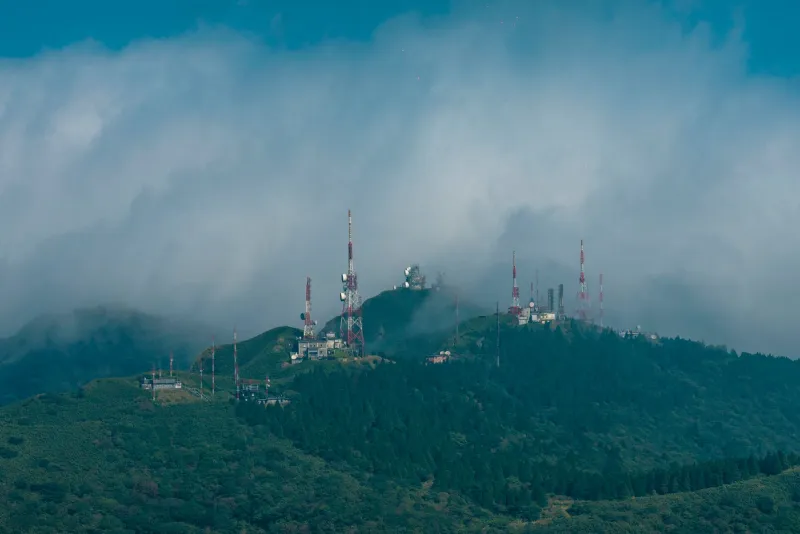
There's a particular kind of excitement that comes from stumbling onto a song you've never heard before — one that doesn't show up in your Spotify Discover Weekly, your YouTube suggestions, or any playlist a friend has ever shared with you. For a quietly growing community of American music fans, that feeling has become almost routine. The source? A regional Japanese radio station nestled in the mountains of Nagano Prefecture.
FM Nagano wasn't built for global audiences. It was built for skiers, locals, and mountain-town commuters navigating the winding roads between Matsumoto and the surrounding alpine communities. But the internet doesn't care about geography, and somewhere along the way, a handful of curious American listeners tuned in — and didn't tune out.
The Algorithm Problem Nobody Wants to Admit
Let's be honest about something. Streaming platforms are incredible at giving you more of what you already like. They're terrible at showing you what you didn't know you were missing. The recommendation loops on major platforms have gotten so tight that many listeners feel like they're hearing the same sonic palette recycled across different artist names.
That frustration has quietly pushed a segment of music fans toward stranger, more unpredictable sources. Some people dig through Bandcamp rabbit holes. Others haunt obscure subreddits. And a surprisingly dedicated group has landed on international radio — specifically, stations like FM Nagano that play music with zero regard for what's trending in the American market.
"I found FM Nagano during a late-night internet spiral," says Marcus T., a graphic designer based in Portland, Oregon. "I was looking for background music while I worked and just started clicking through live radio streams from different countries. When I landed on FM Nagano, something about the pacing of the programming felt different. Less aggressive. More intentional. I ended up staying for three hours."
Marcus isn't alone. Inside fan communities on Discord and Reddit, the station comes up regularly as a gateway drug to Japanese indie music, city pop revivals, ambient folk, and genres that don't even have clean English-language names yet.
What Makes the Programming Different
FM Nagano's programming philosophy reflects its environment. Nagano is a place defined by seasons — brutally cold winters, festival-heavy summers, and the kind of natural stillness that tends to produce introspective, atmospheric music. The station's curators seem to understand that the music should match the mood of the mountains, which means you're just as likely to hear a delicate acoustic set as you are a propulsive city pop track from a Tokyo artist who never got mainstream attention.
For American listeners, this tonal range feels genuinely refreshing. There's no pressure to be hype. There's no relentless energy that demands your full attention. The station moves at its own pace, and that pace turns out to be exactly what a lot of burned-out American music fans have been craving without realizing it.
Jennifer L., a music teacher from Austin, Texas, describes her FM Nagano listening experience as "meditative in the best way." She's discovered multiple artists through the station that she's since tracked down on streaming platforms, added to classroom playlists, and even referenced in lessons about global music traditions. "It's opened up a whole conversation with my students about where music comes from and how regional culture shapes sound," she says. "You can't get that from an algorithm."
The Discovery Pipeline in Action
Here's what the typical FM Nagano discovery journey looks like for American fans: Someone tunes in live through the station's online stream, hears something they can't identify, drops the song title into a Google search or posts a clip to a fan community asking for help, and then — sometimes days later — finds the artist on a streaming platform or a Japanese music blog. The friction is part of the experience. It slows things down in a way that actually makes the discovery feel more meaningful.
This process has introduced American ears to a remarkable range of artists. City pop acts that never cracked international playlists. Indie folk singers recording out of small Nagano studios. Jazz fusion groups from Osaka that somehow never got picked up by Western labels. Electronic producers blending traditional Japanese instrumentation with contemporary production techniques.
For many of these artists, the FM Nagano pipeline represents a form of international exposure they never anticipated. A few have even noticed upticks in streaming numbers from the United States — modest by pop star standards, but significant for independent artists operating on small margins.
Regional Radio as a Cultural Bridge
There's a broader conversation happening here about what regional radio stations offer that national platforms simply can't replicate. FM Nagano is embedded in a specific place. Its curators know their community. They play local artists because those artists matter to the people listening — not because an algorithm decided they had commercial potential.
That rootedness is exactly what gives the station its value as a cultural bridge. When an American listener tunes in, they're not just hearing music. They're hearing a community's relationship with sound, season, and place. That context travels through the broadcast even when the listener doesn't speak Japanese and has never visited Nagano.
"There's something really human about it," says Marcus. "You can feel that someone actually chose these songs. It's not automated. And that makes a difference."
In an era when music discovery has been largely handed over to machines, FM Nagano stands as a quiet reminder that human curation — rooted in a specific landscape, a specific culture, a specific set of ears — still has something irreplaceable to offer. The American fans who've found it seem to agree. Their playlists are better for it.