Cold Air, Hot Sets: Nagano's Winter Festival Scene Is the Music Trip You Haven't Planned Yet
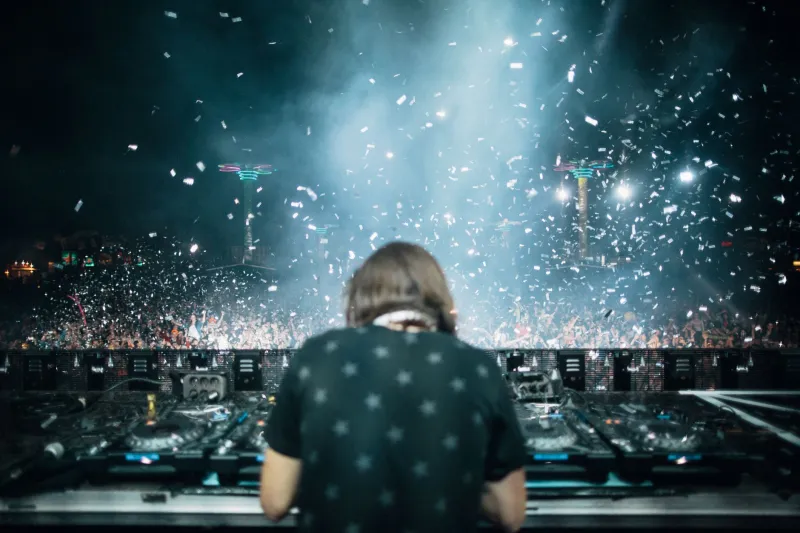
Most Americans who've heard of Nagano think of one thing: the 1998 Winter Olympics. Maybe a few think of skiing or soba noodles. Almost nobody thinks of standing in a converted warehouse at 1 a.m. while a Berlin-influenced techno DJ plays to a crowd bundled in parkas and scarves, the bass rattling snow off the rafters outside. But that's exactly what's been happening in the Nagano region for the better part of two decades — and the rest of the world is only just catching on.
Nagano's winter festival circuit isn't something you'll find plastered across mainstream travel blogs or major music publications. It grew organically, rooted in local culture, shaped by the very geography that makes the prefecture so visually stunning. And that's a big part of why it's stayed so special.
Why Winter? Why Here?
It might seem counterintuitive to build a festival culture around the coldest months of the year in one of Japan's snowiest regions. But the logic actually makes a lot of sense once you spend time there. The mountains create natural acoustic environments that outdoor summer festivals can't replicate. Venues range from old sake breweries to alpine lodges to semi-outdoor structures where the cold becomes part of the atmosphere rather than an obstacle.
There's also a community angle. Nagano isn't Tokyo. The pace is different, the crowds are smaller, and the people who show up to these events are genuinely there for the music. You won't find the same festival-as-Instagram-backdrop energy that's taken over a lot of the bigger summer events across Japan. Winter weeds out the casual attendees and leaves behind something more intimate and focused.
FM Nagano has long been a connector in this ecosystem — broadcasting local event announcements, featuring sets from regional artists, and giving emerging acts a platform that larger metropolitan stations simply wouldn't offer to someone based in the mountains.
The Lineup Diversity That Surprises Everyone
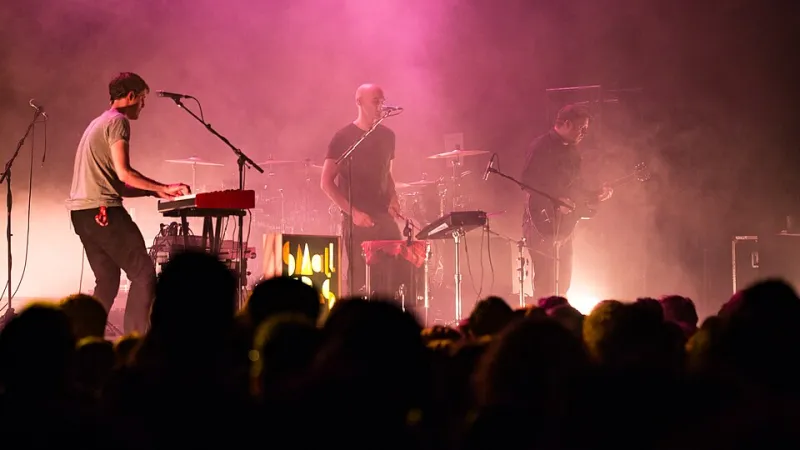
One of the most common reactions from first-time attendees — especially international visitors — is genuine shock at how eclectic the programming is. A single weekend in, say, the Matsumoto area during February might see a local indie rock band share a bill with an experimental noise artist from Osaka, a lo-fi producer who's been racking up streams from listeners in the US and Europe, and a DJ collective doing something that sounds like it was beamed in from a warehouse in Detroit.
That mix isn't accidental. Festival organizers in the region have been deliberate about building lineups that reflect both local identity and global influence. The isolation of Nagano — geographically removed from the cultural gravity wells of Tokyo and Osaka — has paradoxically made its curators more adventurous. When you're not competing to book the same artists as every other major city event, you start finding music in different places.
International artists have increasingly made the trek, drawn in part by word-of-mouth from the global touring circuit. A few European electronic acts who played smaller Nagano winter events in the mid-2010s came back with glowing reviews, and that kind of organic buzz has a way of spreading.
Venues That Become Part of the Experience
Ask anyone who's attended Nagano's winter festivals what they remember most, and the venues almost always come up before the music does. That's not a knock on the lineups — it's a testament to how thoughtfully the spaces are chosen and transformed.
Historic machiya townhouses with their wooden beams and paper screens create an acoustic warmth that purpose-built concert halls can't fake. Ski lodge common areas, cleared of furniture and lit with minimal staging, feel like something between a living room party and a legitimate concert. Some events take place in structures where you can see your breath, which sounds miserable until you're actually there and realize it adds to the atmosphere in a way that's genuinely hard to describe.
There's a reason people keep coming back. The combination of place, season, and sound creates memories that stick.
Getting There From the US: Easier Than You Think
For American fans curious about experiencing this firsthand, the logistics are more manageable than you might expect. Nagano is accessible via the Hokuriku Shinkansen from Tokyo, making it a realistic day-trip or weekend destination from the capital — and Tokyo is obviously well-connected to major US cities via direct flights.
The winter festival season generally runs from late November through early March, with the densest programming in January and February. Checking FM Nagano's event coverage and local listings is genuinely one of the best ways to track what's happening on the ground, since many of the smaller events don't get heavy promotion on English-language platforms.
Accommodation options around festival clusters tend to book up, so planning a few months out is smart — especially if you want to stay close to the action rather than commuting from a larger city.
Why This Scene Deserves a Bigger Spotlight
There's a version of this story where Nagano's winter festival circuit gets discovered by the right travel writer or music journalist and suddenly becomes the hottest niche destination for a certain type of music tourist. That might happen. But there's also something worth preserving about the way it exists right now — a little under the radar, sustained by genuine community investment rather than hype cycles.
What's clear is that the music happening in these mountains during the coldest months of the year is real, it's interesting, and it's been building for long enough that calling it a trend would undersell it. This is a scene with roots. The cold air is just part of the vibe.