How a Mountain Radio Station Rewrote the A&R Playbook — and Major Labels Are Finally Paying Attention
For most of the 20th century, getting signed to a major label meant playing the game. You hustled showcases in Los Angeles or New York, you knew someone who knew someone, and you hoped that the right A&R rep happened to be in the room on the right night. The system was imperfect, expensive, and — let's be honest — deeply gatekept. But something strange has been happening over the last few years, and it's coming from a place most industry insiders would never have predicted: a radio station tucked into the Japanese Alps.
FM Nagano, the beloved community broadcaster that's long served as the cultural heartbeat of Nagano Prefecture, has quietly evolved into one of the most talked-about talent pipelines in the global music industry. And the mechanism driving that shift isn't an algorithm or a viral TikTok moment. It's a listening party.
The Listening Party That Changed Everything
If you've never been to an FM Nagano listening event, picture this: a curated evening where the station spotlights a handful of emerging local and regional artists, plays their tracks in full, and invites community members — and increasingly, out-of-town guests — to experience the music together in real time. There's no pyrotechnics, no industry schmoozing, no velvet rope. Just the music and a room full of people genuinely paying attention.
That intimacy, it turns out, is the whole point.
"There's something about hearing a song in that context that strips away everything artificial," said one independent A&R consultant who has attended multiple FM Nagano events and asked to remain unnamed due to ongoing label negotiations. "You're not watching someone perform under stage lights trying to impress you. You're just hearing the song, and you're watching a real audience respond to it honestly. That's incredibly rare."
The format isn't new — FM Nagano has been hosting community listening events in various forms for years. What's new is who's showing up, and why.
Labels Rethinking the Discovery Model
The traditional A&R model has been under pressure for a while. Streaming data gave labels a new tool, but it also created a feedback loop where only already-popular artists got surfaced. Showcases became expensive gambles. And the rise of bedroom producers and DIY distribution meant that by the time a label "discovered" an artist, that artist often already had an audience — and leverage.
FM Nagano's listening parties offer something different: early access. Artists featured at these events are often pre-viral, pre-streaming-traction, pre-everything. They're being heard in one of their first real public contexts. For a label willing to move fast, that's gold.
"The old model was reactive," explained a former major label A&R director who now runs an independent imprint with a focus on Asian markets. "You'd find an artist after the momentum was already there, then try to accelerate it. What FM Nagano does is let you be present at the beginning. That's a fundamentally different kind of opportunity."
Several labels — both US-based independents and at least two major label subsidiaries with international rosters — have reportedly begun factoring FM Nagano's programming calendar into their scouting schedules. Some have gone as far as establishing relationships with the station's programming staff, not to influence what gets played, but simply to stay informed about who's coming up.
Why Radio Still Works When Everything Else Is Noise
It might seem counterintuitive in 2024 to credit a radio station — a literal radio station — with disrupting the music industry's talent discovery apparatus. But spend a few minutes thinking about what radio actually does, and it starts to make a lot of sense.
Radio is curated. Someone made an editorial decision to play that song. In an era of infinite playlists and algorithmic feeds, that human curation carries weight. FM Nagano's programming team has spent years building credibility with local listeners, and that credibility doesn't disappear when an American label exec tunes in. If anything, it's more convincing — because it's not a pitch, it's a track record.
"I trust FM Nagano's taste because they've earned that trust over time," said one Brooklyn-based music blogger who covers the intersection of Japanese indie and American alternative scenes. "When they feature someone new, I pay attention. And apparently, I'm not the only one."
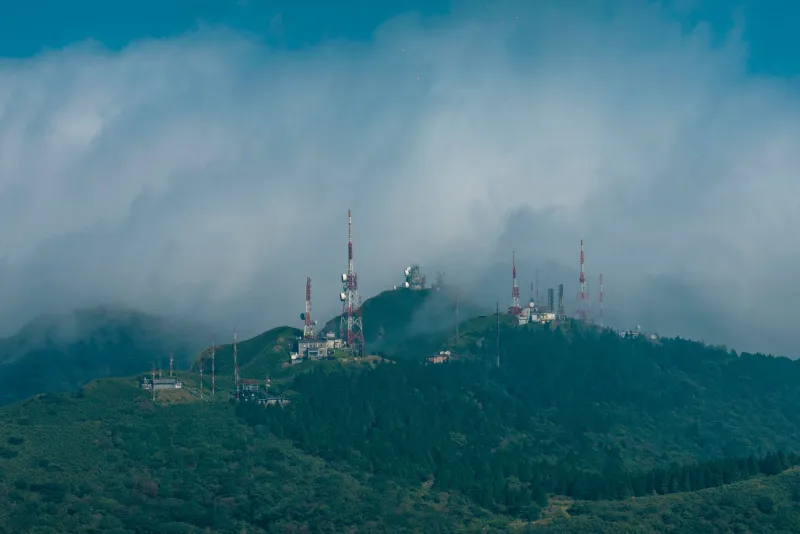
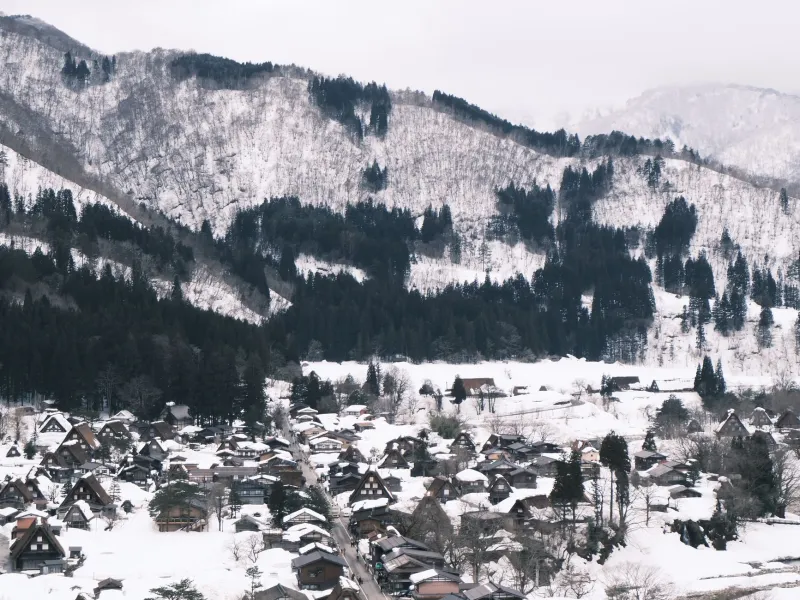
There's also something to be said for the geographic context. Nagano isn't Tokyo. It doesn't have the same industry infrastructure, the same label presence, the same pressure to conform to whatever's trending on the charts. Artists who emerge from that environment tend to have a distinctiveness that's hard to manufacture — and increasingly hard to find in more saturated markets.
The Artists at the Center of It All
Of course, none of this matters without the artists themselves. And the musicians being surfaced through FM Nagano's ecosystem are, by most accounts, genuinely compelling.
Several emerging Japanese indie artists who got their first significant exposure through FM Nagano listening events have since gone on to land sync placements in American TV and film productions, attract management from US-based firms, and build streaming audiences in English-speaking markets without ever having set foot in the United States. The station didn't make those things happen directly — but it created the context in which the right people heard the right music at the right time.
One such artist, a singer-songwriter from the Nagano region whose name has been circulating in US indie circles over the past year, described the experience of being featured at a listening event as "completely different from playing a show." The audience wasn't there to be entertained in the traditional sense — they were there to listen. "It felt like being taken seriously in a way I hadn't experienced before," she said through a translator. "And then things started to happen."
What This Means Going Forward
The broader implication of FM Nagano's rise as a talent discovery hub is worth sitting with for a moment. If a regional radio station in a mid-size Japanese city can become more influential in certain A&R circles than traditional industry gatekeepers, what does that say about the future of artist development?
It suggests that credibility, community, and curatorial consistency still matter — maybe more than ever. It suggests that geography is less of a barrier than it used to be, but that authenticity of place still carries real cultural value. And it suggests that the next wave of major artists might not be found at a showcase in Hollywood or a SXSW set, but at a listening party in the mountains, where the only agenda is the music itself.
For fans who've been following FM Nagano from the US for years, none of this is particularly surprising. The station has always punched above its weight. The rest of the industry is just catching up.
And if the listening parties keep happening — and by all accounts, they will — there's a good chance the next name everyone's talking about will have been heard there first.