Radio as Record: How FM Nagano's Broadcast Archives Became a Go-To Fact-Check for US Music Journalists
There's a particular kind of frustration that music journalists know well — the moment you're deep into a story about a Japanese artist or scene, and the English-language record just... stops. Wikipedia entries trail off. Liner notes are untranslated. The interviews that actually matter were broadcast somewhere in Japan in the mid-'90s and never digitized, never syndicated, never seen outside the country.
For a growing number of American music writers, the answer to that dead end has started coming from the same place: FM Nagano.
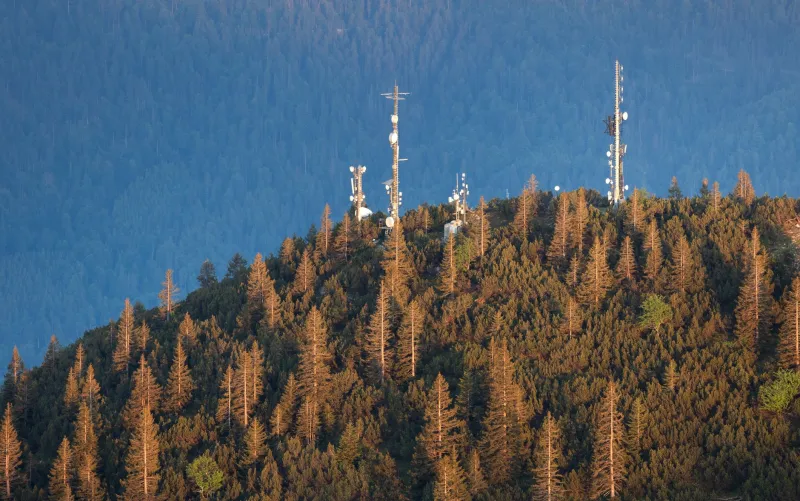
It sounds unlikely. A regional radio station tucked into the Japanese Alps, serving a mountain prefecture most Americans associate with ski slopes and the 1998 Winter Olympics. But FM Nagano has been broadcasting continuously since 1985, and over those four decades, it has accumulated something genuinely rare — a granular, well-preserved record of Japanese music culture that was never designed for export, which is exactly what makes it so valuable.
The Archive Nobody Was Looking For
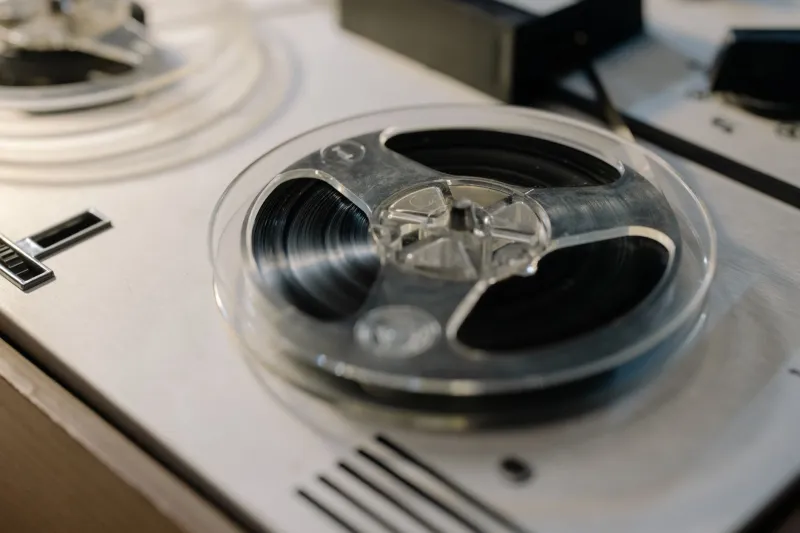
When journalists talk about primary sources in music history, they usually mean label contracts, session logs, or contemporaneous press. Broadcast archives rarely make the list, partly because most radio stations haven't preserved their output in any systematic way, and partly because regional stations are easy to dismiss as peripheral.
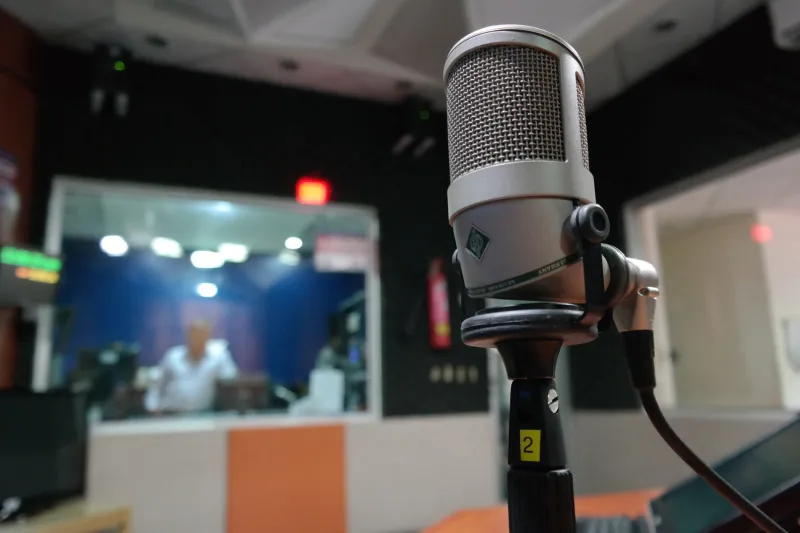
FM Nagano doesn't fit that dismissal. The station built its identity on depth — long-form artist conversations, live session recordings, and cultural programming that treated local and national Japanese artists as worthy of serious documentation. Over time, that approach created an archive that functions less like a scrapbook and more like a primary source database.
US-based journalists who've started tapping into it describe the experience in similar terms: you go in looking for one thing and come out with three stories you didn't know existed.
One music writer covering the history of Japanese city pop for an American publication described spending weeks trying to verify a specific recording session timeline for an artist whose domestic profile never translated internationally. The English-language sources contradicted each other. A contact pointed her toward FM Nagano's catalog. An interview segment from a 1991 broadcast settled the question in about twenty minutes — and introduced her to a collaborator on that session whose name had never appeared in any Western writeup.
Filling the Gaps Western Media Left Behind
The issue isn't that Japanese music history is undocumented. It's that the documentation exists almost entirely in Japanese, in formats that weren't built for international consumption, and scattered across sources that Western music media never had much incentive to index.
FM Nagano's archives represent a specific slice of that documentation — but a rich one. Because the station served a regional audience rather than a national one, its programming often captured artists in a less polished, more candid register than the major Tokyo outlets. Artists who were between major label cycles, or who had strong regional followings before breaking nationally, showed up on FM Nagano in ways they didn't show up anywhere else.
For American journalists trying to reconstruct the early careers of artists who later became internationally recognized, that's not a minor detail. It's the difference between a complete story and a partial one.
The J-rock and visual kei scenes of the late '80s and early '90s have been particularly well-served by this dynamic. Several writers covering those genres for US outlets have noted that FM Nagano's regional coverage captured artists during formative periods that the bigger stations either ignored or underreported. Interviews from that era, preserved in the station's catalog, have helped verify claims about artistic influences, lineup changes, and release chronologies that had been muddied by years of fan speculation and incomplete Western sourcing.
Why Credibility Matters Here
It's worth being specific about what "fact-checking through FM Nagano" actually looks like in practice, because it's not just about finding obscure content — it's about finding reliable content.
Broadcast archives carry a particular kind of credibility. They're timestamped. They're contemporaneous. An artist speaking on FM Nagano in 1993 is speaking in 1993, not reconstructing 1993 from memory thirty years later. That distinction matters enormously when you're trying to establish what actually happened versus what people remember happening.
For American music journalists working on pieces that require them to make confident claims about Japanese music history, that contemporaneous quality is exactly what's been missing from most available sources. Secondary accounts, fan wikis, and retrospective interviews all have their uses, but they can't substitute for a primary record. FM Nagano's archives, in many cases, are that primary record.
This has quietly elevated the station's reputation in US music journalism circles beyond what you'd expect for a regional Japanese broadcaster. Writers who've used the archives tend to mention them to other writers. The word-of-mouth is niche but consistent.
The Unexpected Cultural Bridge
What makes this story interesting beyond the practical journalism angle is what it says about how cultural archives work — and how value gets recognized.
FM Nagano never set out to be a resource for American music writers. It set out to serve its local audience well, and it did that by taking the music seriously and preserving what it broadcast. The international utility of that approach is a byproduct, not a design feature.
That's actually a pretty common pattern in music history. The sources that turn out to matter most are often the ones created without any awareness that they'd matter to anyone outside their immediate context. Regional radio stations, local music papers, community-run archives — these things accumulate significance over time precisely because they weren't edited for posterity.
FM Nagano is that kind of source. It documented what was happening in and around Nagano with consistency and care, and forty years later, that consistency is paying dividends that nobody planned for.
What American Fans Can Take From This
If you're a US-based fan of Japanese music — whether that's city pop, J-rock, folk, experimental, or anything else — the growing journalist interest in FM Nagano's archives is worth paying attention to for a simple reason: it means more accurate, more complete stories are coming.
The pieces being written now, informed by primary broadcast sources rather than recycled secondary accounts, are going to be better than the pieces that came before them. The history of Japanese music as understood by American audiences is going to get filled in, corrected, and complicated in interesting ways.
A lot of that is going to trace back, at least in part, to a radio station in the mountains of Nagano that kept good records and never stopped broadcasting.
For a community like the one that's grown up around FM Nagano fandom in the US, that's a genuinely exciting thing to watch unfold.