Why Music Fans Are Adding a Radio Station to Their Japan Ski Trip Itinerary
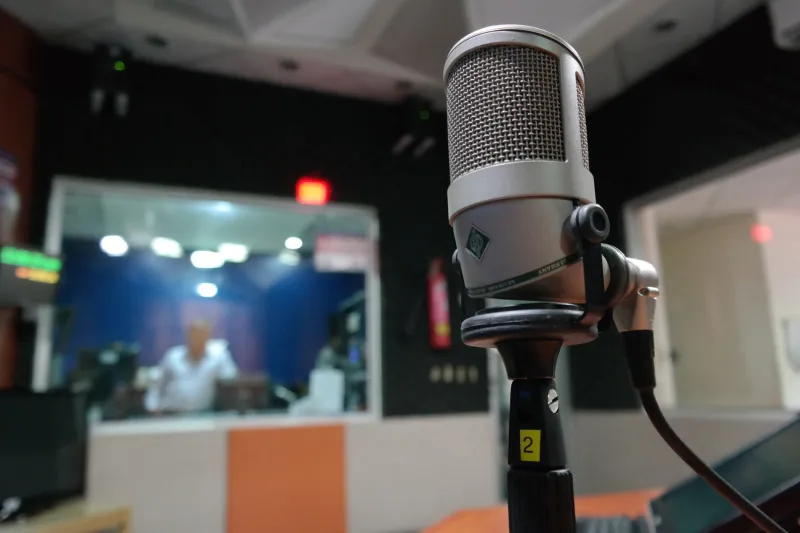
Most people planning a trip to Nagano are thinking about powder runs at Hakuba, the macaques soaking in hot springs at Jigokudani, or maybe a slow afternoon in a sake brewery somewhere outside Matsumoto. What they're probably not putting on the itinerary is a visit to a radio station.
And yet, that's exactly what a growing number of American music fans are doing.
Over the past couple of years, FM Nagano has quietly accumulated a kind of cult status among US listeners who discovered the station through streaming, late-night internet rabbit holes, or word of mouth in music communities online. For some of them, that digital connection has eventually turned into a plane ticket.
From Earbuds to Airplane Seats
Travel writer and music obsessive Dana Calloway documented her trip to Nagano last winter on her blog Departure Frequencies, and the piece about visiting FM Nagano's studio ended up being her most-read post of the year. "I've written about record stores in Seoul, jazz clubs in Buenos Aires, music markets in Lisbon," she told us. "The response to the Nagano piece surprised even me. People were hungry for it."
Calloway's account described something genuinely different from a typical studio tour. FM Nagano's setup — modest, warm, with the kind of lived-in energy you'd expect from a station that's been deeply embedded in its community for decades — doesn't try to perform itself for visitors. It just exists. And apparently, for music fans who've spent years listening from afar, that authenticity is the whole point.
"There's no velvet rope," she wrote. "It feels like visiting a friend's record collection. A very, very good friend."
The Local Scene That Comes With It
For most visitors, the FM Nagano experience doesn't start and end at the studio door. The station's programming has long been intertwined with Nagano's live music scene — small venues in Matsumoto and Nagano City that regularly host the kinds of acts that end up on FM Nagano playlists. For American travelers who arrive already knowing the music, walking into one of those venues is a different experience than stumbling in off the street.
"You know how it feels when you've been listening to an album for months and then you finally see the band live?" says Ryan Chu, a 31-year-old from Seattle who made the trip last February. "It was like that, but for a whole city. I already had a relationship with the sounds. Being there just made it three-dimensional."
Local venue owner Haruki Sato, who runs a small live music space in central Matsumoto, has noticed the shift. "We are seeing more foreign visitors, and many of them already know the artists," he says through a translator. "They are not discovering us when they arrive. They discovered us before they came. That is new."
What 'Sound Tourism' Actually Looks Like
The travel industry has been talking about "experiential travel" for years — the idea that modern tourists want to do something meaningful, not just see something picturesque. Music tourism fits neatly into that framework, and Nagano offers a version of it that doesn't feel manufactured.
Unlike, say, a music-themed hotel or a branded festival experience, FM Nagano's appeal is rooted in something that existed long before anyone thought to market it to outsiders. The station was doing its thing for local listeners. American fans found it. Now some of those fans are showing up in person. The tourism didn't create the culture — it followed it.
Travel blogger and Japan regular Mia Fontaine, who covers niche travel experiences for a mid-size US lifestyle publication, framed it this way: "Nagano is interesting because it's not trying to be a music destination. That's exactly why it works as one. The moment a place starts performing itself for tourists, you lose something. FM Nagano hasn't done that."
Live Sessions and the In-Person Magic
One of the biggest draws for visiting fans is the chance to catch a live session at or near the station — intimate performances that occasionally get broadcast and feel nothing like a concert in any traditional sense. Think of it less like a show and more like being in the room when something is being made.
These sessions, which FM Nagano has hosted for local artists across genres, have been shared in clip form across social media platforms and fan communities. For US listeners, they function almost like trailers for a longer experience that can only happen in Nagano itself.
"I watched a clip of this acoustic session probably twenty times before I went," says Priscilla Nakamura, a music fan from Austin who visited last spring. "When I actually got to see a similar session in person, I cried a little. I'm not embarrassed about it."
A New Kind of Pilgrimage
There's an old tradition of music fans making pilgrimages to the places that shaped the sounds they love — Sun Studio in Memphis, the Cavern Club in Liverpool, CBGB's old address on the Bowery. FM Nagano is a different kind of landmark, one that's still very much alive and actively making culture rather than preserving it behind glass.
That aliveness is probably what keeps drawing people in. You're not visiting a museum. You're visiting a place that's still doing the thing that made you fall in love with it in the first place.
For American music fans planning a Japan trip, Nagano has always had obvious appeal — the mountains, the food, the general sense that you've stepped into a different pace of life. The radio station adds a layer that's harder to explain until you've experienced it. But once you have, it's usually the part of the trip you talk about most.