The Forecast as a Lullaby: Why Americans Set Alarms for a Mountain Weather Report They'll Never Use
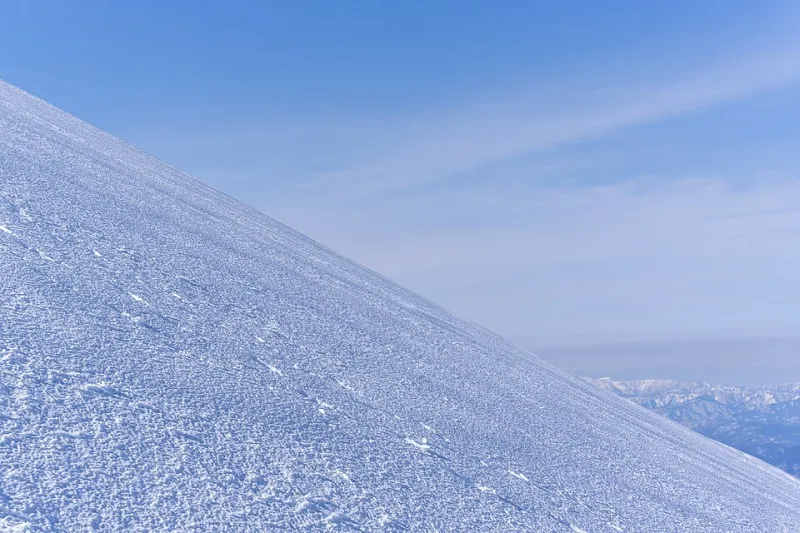
Photo: Raita Futo from Tokyo, Japan, CC BY 2.0, via Wikimedia Commons
Snow depth at the pass. Wind direction by mid-morning. A caution about the road above the hot spring town. A pause, then the temperature read twice because the first one was said too quickly.
If you live in Nagano, it's just the weather. If you live in San Antonio, it's something else entirely.
A Segment Nobody Was Supposed to Notice
Weather is the least glamorous thing a radio station does. It's the part of the hour that exists to be talked over while you find your keys. But FM Nagano's mountain forecasts have become, for a sizable slice of the American fanbase, the single most-anticipated block of the broadcast day.
The reasons people give are usually indirect. Almost nobody says they tune in for the numbers. What they describe is closer to atmosphere — the sound of a place being described carefully, by someone who lives there, for people who need to know.
"I don't ski. I've never been to Japan. I have no practical use for a snow total in a valley I can't point to on a map," one listener from Austin admitted in a fan thread last winter. "And I still listen every morning. It's the most grounded five minutes of my day."
Tracking Snowfall From a Texas Kitchen
There's a whole informal network of Americans who follow Nagano's winter by proxy. They know which mountain roads get mentioned first when a system moves in. They can tell when a light week is coming because the read gets shorter. Some keep tabs on precipitation totals the way other people follow a sports score.
During a heavy stretch, the segment swells. More detail, more caution, more time spent on the specifics. Fans on the other side of the Pacific will post about it in real time — screenshots of forecasts, rough conversions into inches, half-joking complaints about how their own local meteorologists never sound this invested.
It's a strange kind of fandom. Nobody's buying tickets. There's no event to attend. The appeal is simply that the information is real and specific and matters to somebody, and you're allowed to listen in.
Why Detail Is the Point
A generic forecast tells you it will be cold and might snow. FM Nagano's version tells you which pass, which hour, which road, and what that means for the person driving it.
That specificity has a way of cutting through the noise of a listener's actual life. It's hard to doomscroll while someone is explaining that the snow will turn to rain below a certain elevation by early afternoon. The precision demands attention. It pulls you into a place.
There's craft in it, too. The delivery is unhurried and consistent — the same voice, the same order, the same small phrases. It's the radio equivalent of a well-worn kitchen. Nothing in it surprises you, and that's the entire comfort.
Listeners who have spent years with the station start to recognize the cadences. The way snow totals are grouped by region. The slight lift in tone when a clear weekend is coming. The almost apologetic delivery of a long stretch of gray.
The Ritual, Not the Report
Most habits around FM Nagano are really habits around time. Fans in the US have built little ceremonies out of the broadcast schedule — the morning show with coffee, the late block with a lamp on and the volume low.
Weather fits neatly into that. It's a fixed point. It arrives, it tells you about a world that's continuing without you, and then it's gone.
Some listeners have described using it as a kind of anchor during hard weeks. Not for the information — for the sameness of it. A voice describing a mountain, calmly, at a set time, regardless of what's happening in your own head.
That's not nothing. In an era where every app wants to interrupt you with a red badge, a five-minute segment that simply describes the day in a particular valley has become its own small refuge.
Snow People, Wherever They Are
The funniest part of all this is how many of these listeners have no relationship with snow at all. Florida. Arizona. Southern California. People who have never scraped a windshield and probably never will.
And yet they follow the storms. They learn the names of valleys. They develop opinions about which regions get the better powder. They get genuinely invested in whether a particular stretch of road reopens.
Maybe that's what a mountain radio station does best. It takes something profoundly local — a forecast for people who need to decide whether to put chains on — and turns it into a window. Anyone can look through. Nobody has to knock.
The weather, it turns out, was never really about the weather.