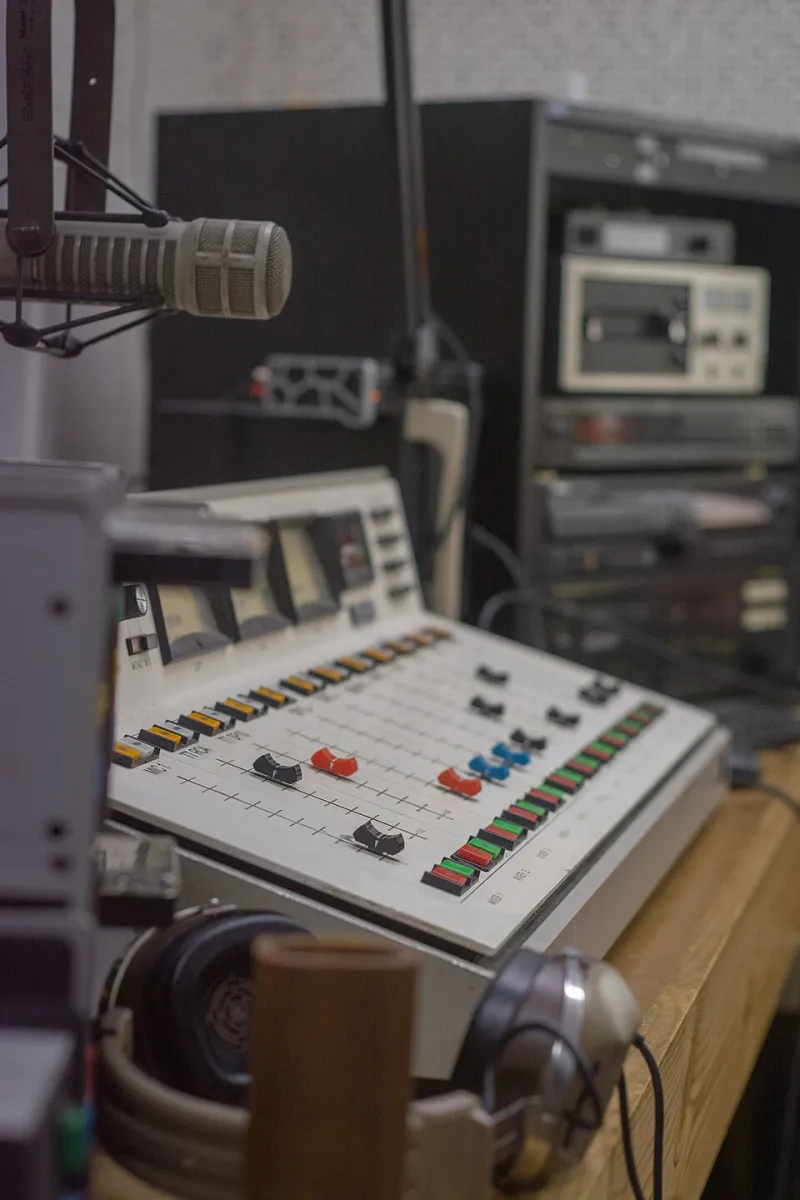
Thirty Seconds of Nagano: The Local Ads Americans Are Rewinding, Ripping, and Repeating
Photo: Donald Trung Quoc Don (Chữ Hán: 徵國單) - Wikimedia Commons - © CC BY-SA 4.0 International.(Want to use this image?)Original publication 📤: --Donald Trung 『徵國單』 (No Fake News 💬) (WikiProject Numismatics 💴) (Articles 📚) 12:58, 25 March 2023 (UTC), CC B
There's a running joke in the American FM Nagano fan community that the station could survive on its commercials alone. Not because the ads are polished — they're the exact opposite — but because after enough late nights, the thirty-second spots stop feeling like interruptions and start feeling like the show.
Ask a longtime listener what they hum first and it's rarely a track off the weekly chart. It's the six-note jingle for a ski rental shop outside Hakuba. It's the bakery owner who says her own name twice, then laughs at something happening off-mic. It's the noodle stand guy who reads his copy like he's seeing it for the first time, because he probably is.
The Anti-Jingle
Most American radio ads are built by agencies that never set foot in the town they're selling. FM Nagano's local spots are the reverse: they sound like they were recorded in a back room, by the person who actually owns the place, on a Tuesday.
That's not a bug. It's the entire appeal.
A listener in Portland, Oregon, put it this way in a fan forum thread that's now run past 400 replies: "I don't know what half of them are saying, but I know exactly what kind of person is saying it." That's the thing about a homespun ad — it leaks personality in a way a 15-second pre-roll never will. The nervous pause before a price is quoted. The slightly-too-loud background music. The owner who clearly wrote the script at 11 p.m. the night before.
For fans who came to the station through its music programming, these spots turned out to be the most human thing on the frequency.
Why a Shoe Repair Ad Hits Different at 2 A.M.
Timing does a lot of work here. A lot of American listeners are tuning in during their evening or late night, when Nagano is somewhere in the middle of its day. A commercial for a hardware store or a noodle counter lands in a quiet Ohio kitchen at midnight, and something about the mismatch becomes the whole point.
It's the same comfort people get from a livestream of a train station in a country they've never visited. Nobody's performing for you. The world is just going about its business, and you get to listen in.
Fans have built something of a taxonomy around it:
- The Family Spot — three generations of a business in one ad, usually with a grandkid audible in the background
- The Confessional — the owner explains the shop's history unprompted and runs long
- The Jingle That Shouldn't Work — four notes, an off-key chorus, permanently stuck in your head
- The Ski Report Ad — read with visible panic during a heavy snow week
People rank them. People argue about them. It is, by any reasonable measure, extremely silly, and it has become one of the most beloved corners of the fandom.
The Remix Economy
What pushed the ads from inside joke to genuine cult item was the editing. Because the spots are short, self-contained, and oddly musical, they're prime raw material.
Fans have cut them into lo-fi tracks. Someone looped a bakery jingle over a drum machine and it circulated for weeks. Another listener stitched together a dozen different shop owners saying the word for "welcome" into a single, weirdly moving 40-second piece. There are compilations on YouTube with tracklists. There are memes built around specific ad reads that only make sense if you've been listening for a year.
None of this is officially sanctioned, which is part of the charm. It's a fandom making folk art out of a radio station's ad breaks — the most analog thing imaginable, repurposed by people with editing software and too much time.
What the Ads Actually Sell
Strip away the novelty and the spots say something real about the station's role. FM Nagano isn't just piping in music; it's the connective tissue for a region of mountain towns, small businesses, and seasonal economies that depend on a brutal winter and a short summer.
When a shop buys thirty seconds, it's buying the same thing a listener is getting: the reassurance that somebody local is still on the air, still reading the snow totals, still saying the shop's name out loud.
For American fans, that's the part that lingers. The commercials are funny because they're handmade. They're lovable because they're a little clumsy. And they're worth rewinding because, in a media landscape built to be skipped, nobody here is trying to be anything other than exactly what they are.
The Comfort of Commerce
So yes — the ads are the attraction now. People have favorites. People have opinions about which bakery spot has the better second half. Somebody on the fan Discord recently admitted they'd started keeping a running list of businesses they plan to visit if they ever make it to Nagano, and the list was almost entirely built from commercial breaks.
That's the whole story, really. A thirty-second spot for a noodle stand became a reason to plan a trip. The station turned its ad inventory into a travel brochure, one late-night listener at a time.