Sunrise in Nagano, Midnight in Ohio: The Americans Living on FM Nagano Time
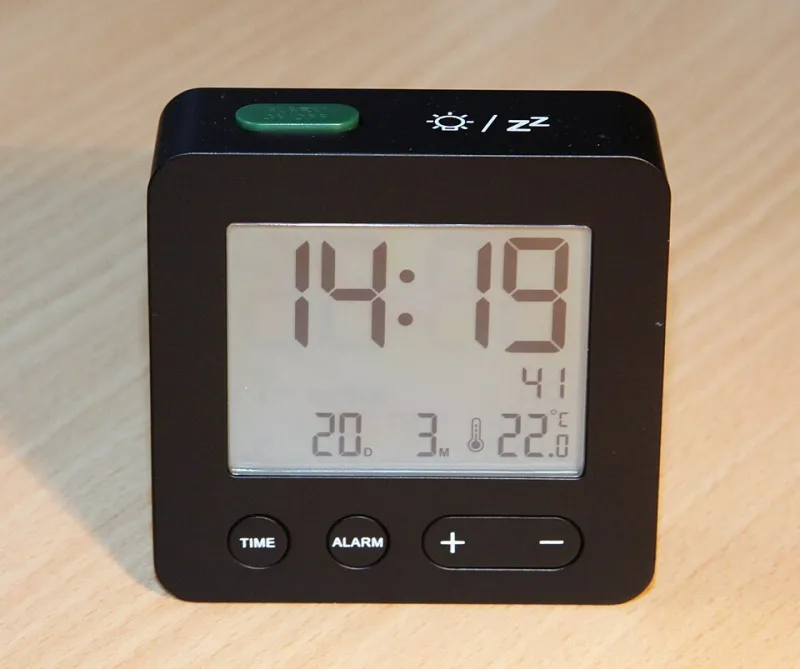
Photo: Morn, CC BY-SA 4.0, via Wikimedia Commons
There's a moment every morning in Portland, Oregon, when Devon Marsh's phone starts playing a jaunty weather jingle she cannot sing along to. It's 4:15 a.m. Pacific. In Nagano, it's 8:15 p.m., and a beloved evening host is wrapping up the day's listener mail. Devon, a 34-year-old nurse, has been starting her shifts this way for two years.
"People think I'm insane," she laughs. "But there's something about waking up to a station that has no idea you exist. No ads for mattress stores. No traffic reports for roads I'll never drive. Just someone in the Alps being genuinely delighted that it's snowing."
Devon is one of a growing number of American listeners who've done something odd: they've reorganized their lives around the programming grid of a regional Japanese radio station.
The Time Zone Math Nobody Warns You About
FM Nagano's schedule reads like a puzzle for US listeners. The station runs roughly 14 hours ahead of Eastern Time, which means the morning show in Nagano airs the previous evening stateside — and the vaunted late-night slots land squarely in the American workday.
Here's the rough conversion fans keep taped to their monitors:
- Nagano 7:00 a.m. (morning show) = 5:00 p.m. ET / 2:00 p.m. PT the day before
- Nagano 12:00 p.m. (midday music blocks) = 10:00 p.m. ET / 7:00 p.m. PT
- Nagano 11:00 p.m. (late-night freeform) = 9:00 a.m. ET / 6:00 a.m. PT
That last line is the big one. The station's overnight programming — loose, chatty, heavy on deep cuts — hits US airwaves at breakfast time. Listeners in Brooklyn and Austin have built entire morning routines around it.
"The Best Alarm Clock in the World"
That phrase comes up again and again in the fan Discord, usually from people in Mountain and Pacific time, for whom Nagano's evening shows land in the pre-dawn hours.
Marcus Bell, a graduate student in Tucson, sets his alarm for 3:40 a.m. to catch a midnight slot in Nagano. "I write best early, and this gets me there," he says. "The tone of it — soft-spoken, unhurried — it's like having a roommate who's already awake making coffee."
Others use the schedule more strategically. Remote workers report queuing up midday Nagano blocks during their afternoon slumps. A few parents mentioned playing the station's calmer evening programming as wind-down audio for their kids, no comprehension required.
Building a Life Around a Grid
The commitment varies. Some fans are casual — the station is background audio while they cook or commute. Others are all-in. Devon plans her shift swaps around special broadcasts. Marcus has a spreadsheet tracking which hosts air when, annotated in both languages.
What unites them is the rhythm. Unlike on-demand playlists, the broadcast schedule imposes a structure — and for a generation raised on algorithms that never sleep, a fixed grid with actual humans showing up at actual times feels almost radical.
"Everything else in my life is on-demand," Devon says. "This is the one thing that happens whether I'm there or not. So I show up."
Your Starter Guide to Nagano Time
If you're curious, fans suggest starting simple: pick one daily slot and stick with it for a week. East Coasters have the easiest entry — Nagano's late-night block lands mid-morning, perfect for a workday companion. West Coasters get the meditative stuff at dawn. Everyone, eventually, learns a few phrases by osmosis.
Just don't blame us when you find yourself setting a 4 a.m. alarm on purpose.