Ditching the Podcast: Why Thousands of Americans Start Their Day With a Japanese Morning Show They Barely Understand
Every weekday at 7 AM Eastern, something odd happens in the streaming numbers.
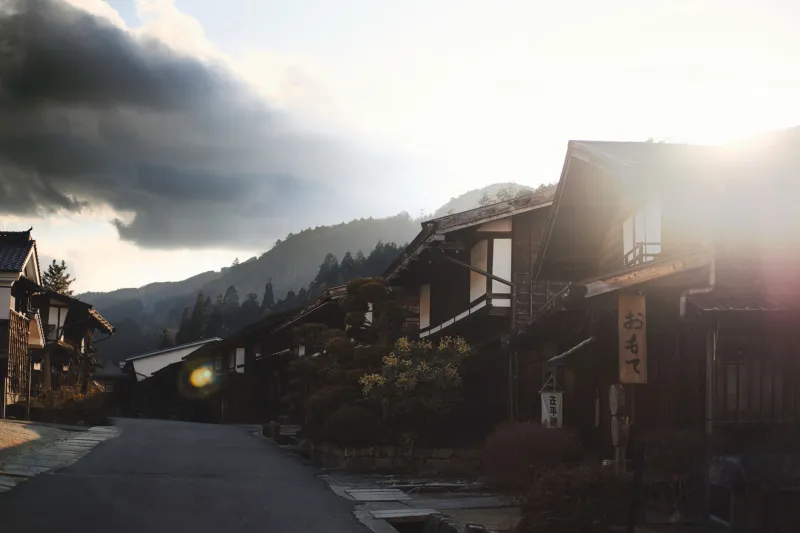
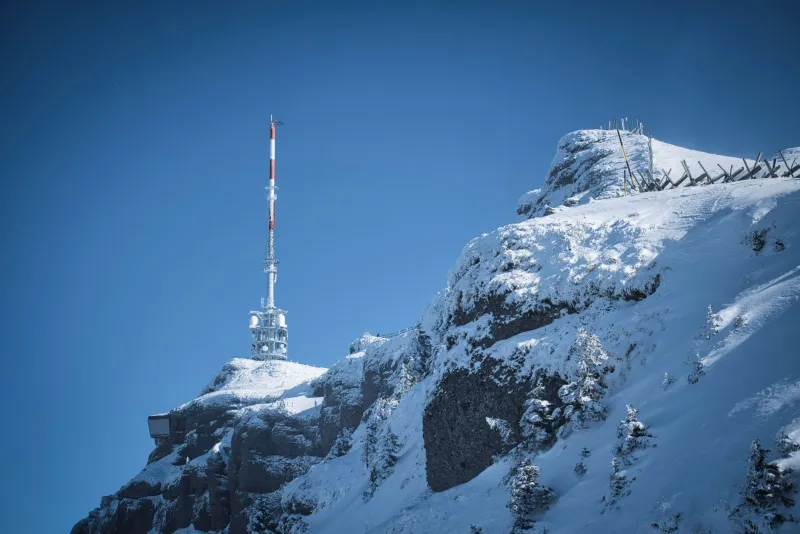
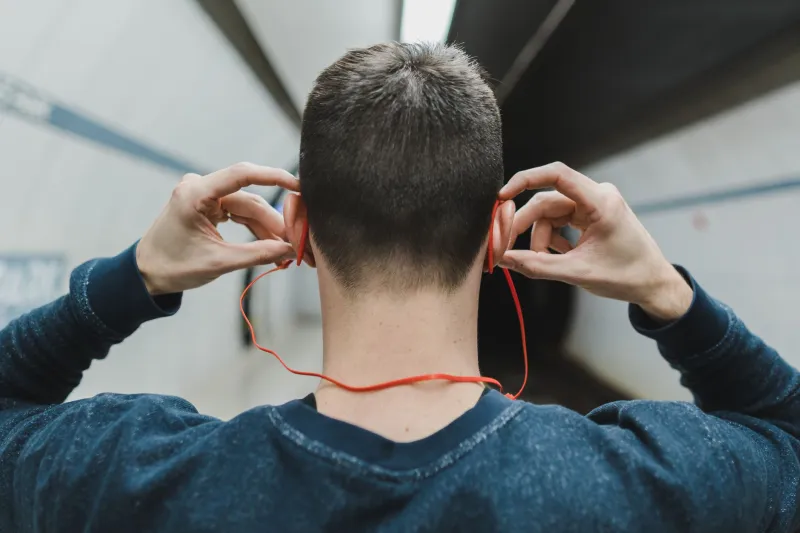
Listeners across the US — from Portland to Pittsburgh — fire up the same Japanese radio simulcast: FM Nagano's long-running morning program. It's a show designed for snowplow drivers and schoolkids in the Japanese Alps, not for software engineers stuck on the L train. And yet the numbers keep climbing.
We spent a month talking to the American listeners behind the spike. Their reasons say a lot about where morning listening is headed.
The Data Behind the 7 AM Spike
According to streaming analytics pulled from the station's simulcast provider, US traffic during the Japan morning block has roughly tripled over the past two years. The peak window? 6:30 to 8:30 AM Eastern — squarely inside the American commute.
It's not a blip. It's a habit. And habits, as any program director will tell you, are the whole game in radio.
Meet the Commuters
Take Dana, a project manager in Chicago who used to cycle through three podcasts before giving up on all of them. "I realized I wasn't retaining anything," she says. "Now I listen to a weather report for Nagano City I will never need, and I feel weirdly calm."
Or Marcus, a nurse in Austin working rotating shifts. He says the show's predictable structure — greetings, local news, a music block — gives his brain "guardrails" before unpredictable days.
Then there's the language factor, which sounds like a dealbreaker but isn't. Most of these listeners speak limited Japanese. That's the point. There's no hot take to process, no argument to keep score on. Just voices, weather, and a rotation of city pop and folk that would never clear a US playlist committee.
What Morning Radio Used to Be
Here's the twist: FM Nagano's morning show isn't doing anything revolutionary. It's doing something American radio largely stopped doing.
It's local, unhurried, and consistent. The hosts talk to callers by first name. The music isn't focus-grouped. There's no national ad read, no syndicated segments. For US listeners raised on iHeart-format mornings or algorithmic playlists, it lands like a time capsule — except it's live, and it's happening right now on a mountain.
One listener put it best: "It's the morning show my dad described from the '70s, except I can get it in Denver."
The Podcast Burnout Connection
The obvious comparison is podcast fatigue, and it's real. US podcast listening has plateaued, and industry surveys keep pointing to the same culprit: everything sounds like homework. True crime, news recaps, self-optimization — the commute became a second shift.
FM Nagano's morning block asks nothing of you. You can't even fully parse it. That's not a bug for burned-out listeners; it's the whole feature.
Can US Radio Learn From This?
Some American programmers are watching. A few public and college stations have quietly leaned into longer music blocks and lower-stakes patter, citing "international morning show" models without naming names. The lesson isn't "broadcast in Japanese." It's that morning radio works when it stops trying to be content and starts being company.
Dana, the Chicago listener, sums it up: "I don't know what they're saying. I know when they're saying it. Turns out that's enough."
The 7 AM spike isn't a trend piece. It might just be morning radio remembering what it was for.