Pilgrim Frequencies: How a Japanese Mountain Radio Station Turned a Ski Town Into a Music Mecca
There's a specific kind of wanderlust that hits music people differently. It's not about beaches or bucket-list monuments — it's about standing in the room where the sound happened. Abbey Road. Electric Lady Studios. Sun Studio in Memphis. For a growing wave of American artists and music tourists, that pilgrimage now ends somewhere most people associate with ski lifts and the 1998 Winter Olympics.
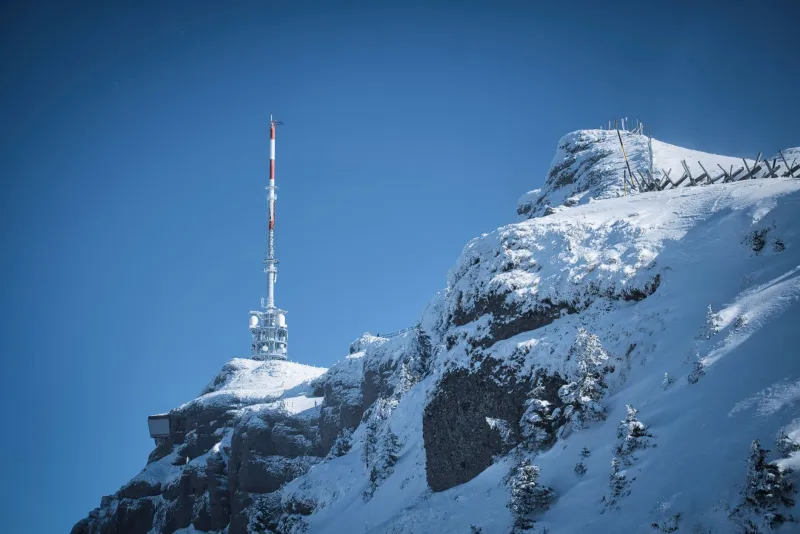
Nagano, Japan. Population: just under 370,000. Elevation: roughly 1,400 feet above sea level. And home to FM Nagano, the regional radio station that has quietly, stubbornly, and somewhat miraculously become a cultural compass for music fans thousands of miles away.
From Slope Town to Sound Town
Ask anyone in Nashville or Silver Lake how they first heard about FM Nagano, and you'll get a version of the same story: a late-night rabbit hole, a YouTube clip of a live session, a friend who swore the station had "the best ears in Asia." Word spread the way it always does in music — sideways, person to person, with the kind of breathless enthusiasm usually reserved for a new album drop.
What followed was slower but more significant. People started showing up.
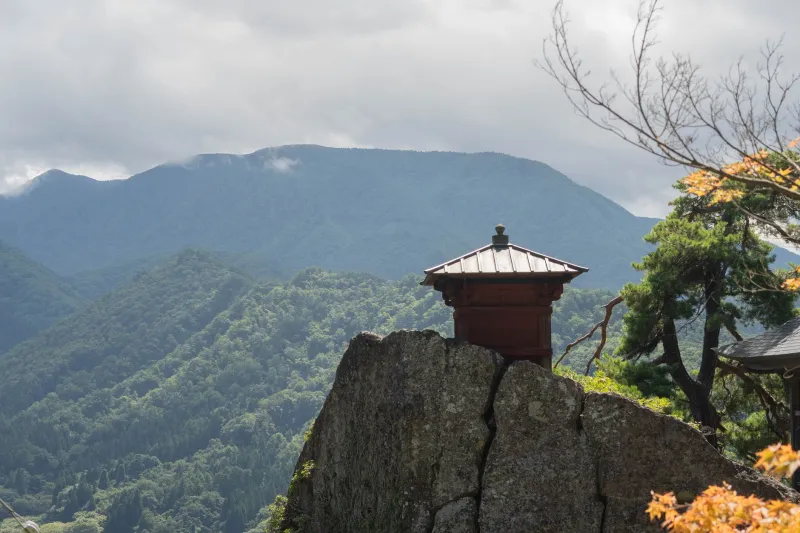
Travel agencies in Japan have begun noticing a demographic shift in visitors to the Nagano region. Alongside the skiers and the heritage tourists visiting Zenkoji Temple, there's a newer type of traveler — younger, often carrying gear cases, asking specific questions about recording studios and radio station tours. Companies like Wander Japan Co. and boutique operator Alpine Routes have started quietly building music-focused itineraries around the FM Nagano ecosystem, pairing studio visits with live music nights at local venues.
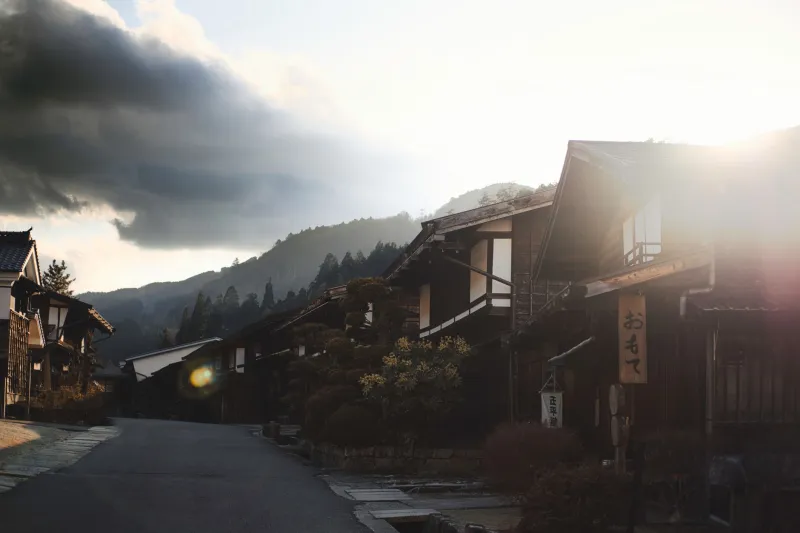
"We had a group of eight musicians from Austin come through last spring," said one Tokyo-based travel consultant who works with creative professionals planning Japan trips. "They weren't interested in Matsumoto Castle. They wanted to walk the same streets the station's DJs walk. They wanted to eat where the producers eat. It was basically a music pilgrimage."
The Brooklyn Comparison Is Earned
Calling Nagano "the new Brooklyn" is the kind of thing that makes longtime Brooklyn residents roll their eyes, and fair enough. But the comparison isn't really about geography — it's about function. Brooklyn in the early 2000s became a magnet for creative people not because of any single venue or label, but because of ecosystem density. The right combination of affordable space, community infrastructure, and genuine artistic identity created something magnetic.
Nagano, against all conventional logic, is doing something similar. The difference is that FM Nagano isn't just a byproduct of that ecosystem — it's arguably the engine driving it.
Local businesses have started leaning into the identity. Record shops near the station have extended their hours and started stocking more English-language signage. At least two coffee shops within walking distance of the broadcast building have begun hosting listening sessions built around FM Nagano's archived programming. A small instrument repair shop run by a local luthier has become a word-of-mouth landmark for visiting American guitar players, partly because the owner has been featured in FM Nagano segments and his reputation crossed the Pacific ahead of him.
What Artists Are Actually Looking For
Spend any time in music forums or Discord servers dedicated to Japanese indie sounds, and you'll find recurring threads about what people actually experience when they visit Nagano for the music. The answers are less glamorous than you might expect — and more compelling for it.
It's not about celebrity sightings or industry networking, at least not primarily. What visiting artists describe is something closer to sensory recalibration. The physical environment — the mountain air, the particular quality of light in the alpine winters, the slower pace of a mid-sized Japanese city — seems to do something to the creative process. Multiple producers who've made the trip report coming home with demos that sound noticeably different from their pre-Nagano work. Less cluttered. More patient.
FM Nagano's programming philosophy, which has long favored atmosphere over hype and texture over trend, seems to have soaked into the city itself. Or maybe the city was always like that, and the station simply reflected it back.
Either way, American musicians are paying attention. And they're booking flights.
The Local Side of the Equation
It would be easy to frame all of this as American artists extracting inspiration from a Japanese community — and that's a tension worth naming. But the picture on the ground is more reciprocal than that narrative suggests.
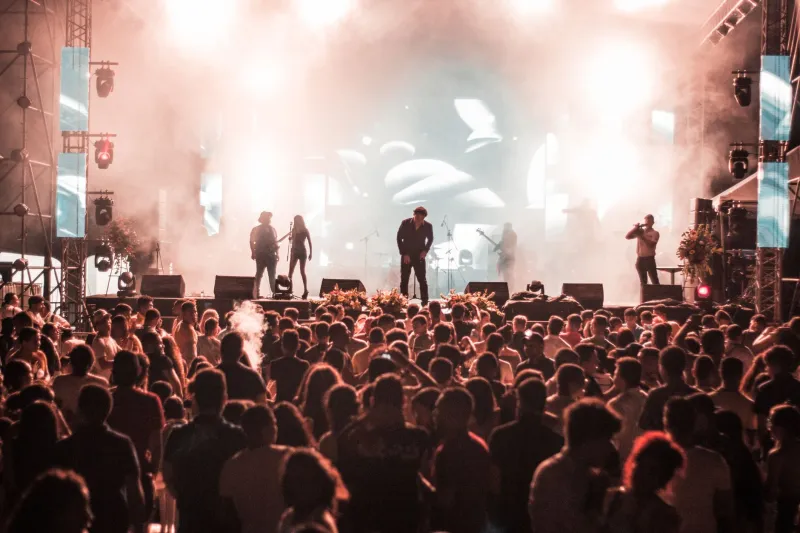
Local venues that host visiting musicians have reported creative exchanges that genuinely enrich both sides. FM Nagano's DJs, who have long operated with a certain quiet confidence about their curatorial instincts, have found their taste validated in new ways by the international attention. Young musicians in Nagano who grew up listening to the station are now collaborating with visiting artists, sometimes ending up on tracks that reach American streaming audiences they'd never have accessed otherwise.
The tourism itself, while still modest in scale, is bringing economic energy to a region that — like many Japanese mountain towns — has faced real demographic and economic pressures. Music tourism tends to be high-engagement and relatively high-spend. The visitors who come for FM Nagano aren't looking for discount package deals; they're looking for authentic experience, and they're willing to pay for access to it.
The Station That Made the Town Famous Twice
Nagano was famous once, in the way Olympic host cities tend to be famous — brightly, briefly, and then mostly in retrospect. FM Nagano is making it famous again, differently. Not as a backdrop for athletic spectacle, but as a living, breathing creative destination with a genuine musical identity.
For American music fans who've spent years streaming the station's sound from thousands of miles away, the idea of actually standing in the city that produced it carries a weight that's hard to quantify. It's the same impulse that sends people to Clarksdale, Mississippi, or to Liverpool's Mathew Street. The music came from somewhere real. And real places can be visited.
Nagano is ready for the visitors. The question now is just how many will make the trip.