Signal From the Mountains: How Regional Japanese Radio Became the New A&R Goldmine for US Labels
For most people in the US, regional Japanese radio sits somewhere between "never heard of it" and "didn't know that was a thing." But inside certain corners of the American music industry, stations like FM Nagano have quietly become required reading — or, more accurately, required listening. Over the past few years, a growing number of label executives and independent A&R scouts have started treating Japan's regional broadcast landscape not as a novelty, but as a legitimate early-warning system for breakout talent.
The shift is subtle but real. And if you've been following the FM Nagano Fan Hub for any stretch of time, you probably saw some version of this coming.
How the Gatekeeping Flipped
Traditionally, the logic ran one direction: American artists broke in the US, then expanded into international markets. Japan was often treated as a secondary destination — a place where acts with fading domestic momentum could find a second life. That model still exists, but something interesting happened alongside it.
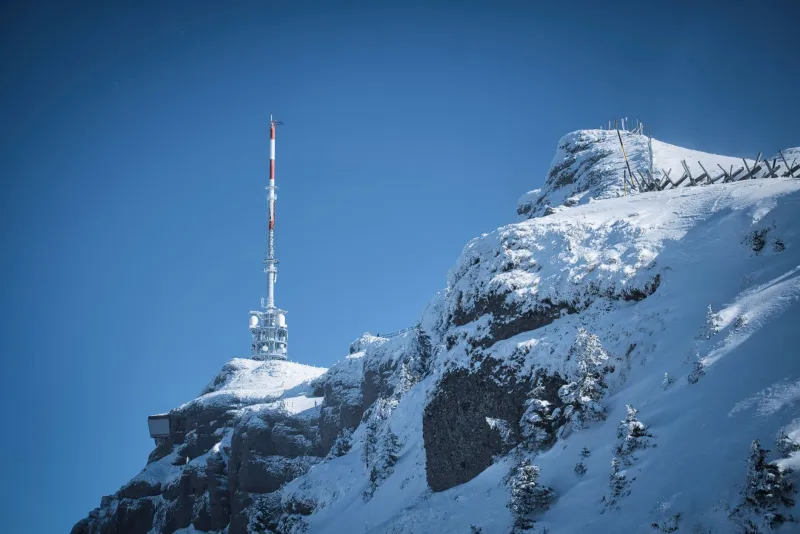
A handful of A&R scouts started noticing that certain artists were gaining real traction on regional Japanese stations before they had any meaningful profile in their home markets. Not Tokyo-based national broadcasts — regional ones. Stations serving smaller cities and prefectures, with tight community ties and highly engaged listener bases. FM Nagano, broadcasting out of the Japanese Alps, kept coming up in these conversations.
"Regional radio in Japan has a different relationship with its audience than what we're used to in the US," said one independent label consultant who works with both American and Japanese artists and asked not to be named because of ongoing client relationships. "When a song connects on a station like FM Nagano, it's not algorithmic. It's not payola. It's a community responding to something that actually resonates with them."
That authenticity, it turns out, travels.
The Metrics That Matter
Here's where it gets interesting from a pure numbers standpoint. Several scouts have started cross-referencing listener engagement data from regional Japanese stations — things like request rates, social media chatter tied to specific broadcasts, and repeat airplay patterns — against early streaming performance in US markets. The correlation isn't perfect, but it's strong enough that at least a few labels have formalized the process.
The logic makes a certain kind of sense when you think about it. FM Nagano's audience isn't passive. Listeners in the Nagano region have a reputation, at least among those paying attention, for being genuinely invested in what the station plays. When something gets traction there, it's because it earned it through repeated exposure to a discerning, community-rooted listenership. That's a different signal than a song going viral on TikTok, where the mechanics of spread are often more about platform dynamics than actual musical connection.
One A&R director at a mid-sized American indie label — again, speaking without attribution because their scouting methods are considered proprietary — described FM Nagano specifically as "a pressure test." Their words: "If something holds up in that environment, where there's no hype machine pushing it and the audience has a real sense of what fits their world, that tells me something about the song's staying power."
Why Nagano Specifically?
It's worth asking why FM Nagano keeps surfacing in these conversations rather than, say, a regional station in Osaka or Fukuoka. Part of it is geographic identity. Nagano has a distinct cultural character — shaped by its alpine setting, its history as an Olympic host city, and a regional sensibility that blends outdoor culture with a surprisingly deep appreciation for music across genres. The station reflects that. Its programming has always skewed toward artists with genuine craft rather than pure commercial calculation.
There's also the matter of FM Nagano's streaming reach. Because the station makes content available online, American scouts don't have to be physically in Japan to track what's resonating. They can monitor remotely, watch which tracks generate listener feedback, and build a picture of an artist's appeal without ever boarding a plane. That accessibility has made regional Japanese radio far more legible to the international industry than it was even five years ago.
The Artist's Perspective
For emerging artists — particularly Japanese acts operating outside the Tokyo-centric mainstream — getting meaningful airplay on a station like FM Nagano has started to carry a different kind of weight. It used to be that regional radio was a stepping stone to national exposure. Now, for some artists, it's become a direct line to international attention.
That's a genuinely strange inversion of how things used to work. An artist building a following through community-rooted regional broadcasting, in a mountain city in central Japan, is now potentially on the radar of a label in Nashville or Los Angeles before they've cracked the charts in Tokyo. The gatekeeping has flipped, and the gate is in an unexpected location.
For fans of FM Nagano, there's something quietly satisfying about this. The station has always had a sense of what's good before the rest of the world caught up. Hearing that American labels are now treating it as a legitimate scouting resource feels less like a surprise and more like overdue recognition.
What This Means Going Forward
The practical implications are still shaking out. A few labels have started building relationships with regional Japanese broadcasters directly, looking for early access to artist data and programming insights. Others are approaching it more informally, with scouts keeping personal tabs on stations that have proven reliable in the past.
What seems clear is that the old hierarchy — where American industry attention flowed outward from established domestic markets — is getting more complicated. Regional radio, especially in markets with highly engaged community listeners, is producing signals that the industry is learning to read.
FM Nagano didn't set out to become an A&R tool. It set out to serve its community. But it turns out those two things aren't as separate as they used to be — and the American music industry is only now starting to understand why.