Mountain Roots, Global Reach: The Indie Labels Putting Nagano on the World Music Map
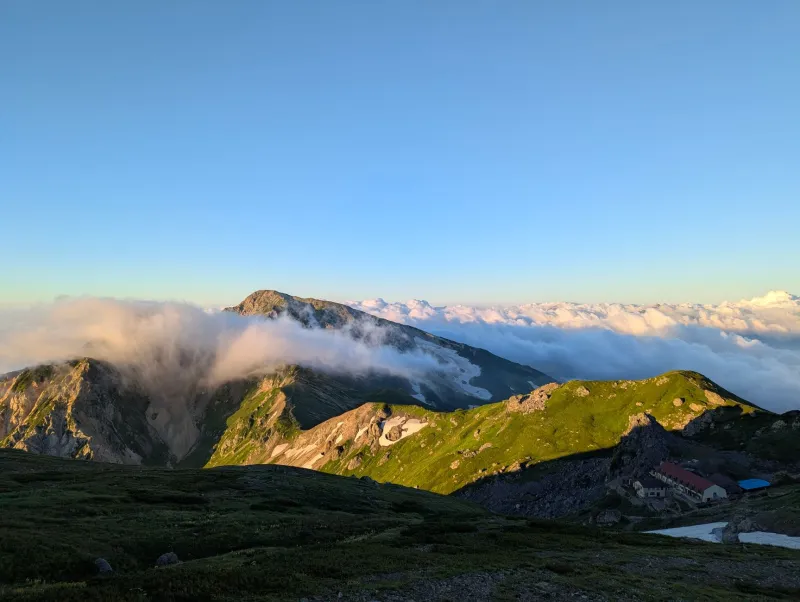
There's a running joke among Japanese music insiders that the only thing Nagano exports is snow and Olympic memories. But spend five minutes scrolling through Bandcamp on a Tuesday night, or rabbit-holing through Spotify's J-indie playlists, and you'll start bumping into something unexpected — a cluster of artists and labels with the same postal code, the same mountain-dusted aesthetic, and a sound that feels genuinely unlike anything coming out of Shibuya or Shimokitazawa.
Nagano's independent music scene isn't loud about itself. That's kind of the point.
Why Nagano, and Why Now?
For decades, the gravitational pull of Tokyo has shaped everything about the Japanese music industry. Major labels, talent agencies, live venues, media — it's all concentrated in the capital, and the implicit rule has always been that if you're serious about music, you move there eventually. Nagano-born artists have followed that path for generations, trading mountain views for a cramped apartment in Koenji and a shot at something bigger.
But something shifted around the mid-2010s, and it accelerated hard after 2020. A combination of affordable home-recording technology, streaming platforms that genuinely don't care where you're uploading from, and a post-pandemic reassessment of city life created the conditions for a different kind of ambition. Suddenly, staying in Nagano wasn't a consolation prize. For some artists and label founders, it became a deliberate creative choice.
"Tokyo homogenizes you whether you want it to or not," says one label founder who runs a small collective out of a renovated warehouse near Matsumoto. "The pressure to fit a format is constant. Up here, nobody's watching. You can just make the thing you actually want to make."
That freedom shows up in the music. Nagano's indie output tends to blend folk textures with electronic production in ways that feel unhurried and unforced — a sound that US fans of artists like Sufjan Stevens, Bon Iver, or even early Postal Service might find surprisingly familiar.
The Labels Doing the Heavy Lifting
The Nagano indie ecosystem isn't built around one flagship operation. It's more like a loose constellation of small labels, artist-run collectives, and bedroom imprints that occasionally collaborate and cross-promote but largely operate independently.
Some focus on physical releases — hand-numbered cassettes and limited vinyl runs that sell out quickly and circulate in collector communities across the US, Europe, and Southeast Asia. Others are purely digital, using social media and streaming data to build international audiences without ever pressing a single CD. What they share is a DIY ethic that will feel immediately legible to anyone who grew up reading Pitchfork circa 2005 or haunting local record fairs.
Several of these labels have also made a point of releasing bilingual liner notes and artist interviews, a small but meaningful gesture toward international listeners. It's the kind of thing that makes a US fan feel genuinely welcomed into the music rather than like an outsider pressing their face against the glass.
Geographic Identity as a Selling Point
Here's the thing that's really interesting from a music industry perspective: Nagano's regional identity isn't just a backstory. It's actively functioning as a brand differentiator in a crowded global indie market.
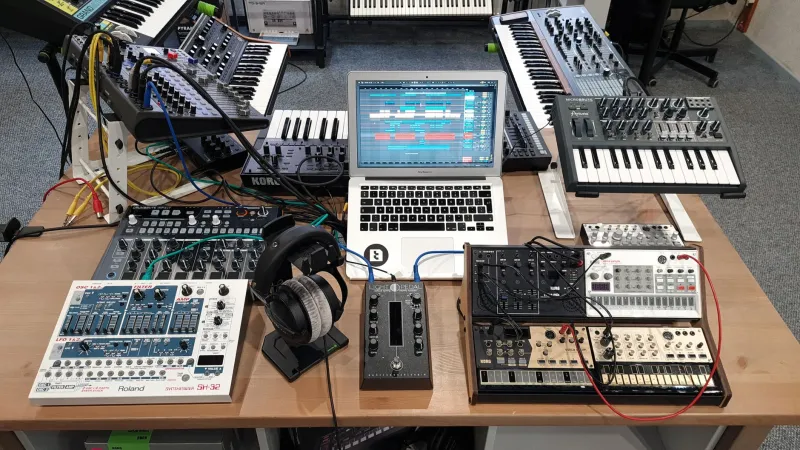
The imagery these labels use — mountain landscapes, winter light, traditional architecture set against synthesizer cables and mixing boards — creates an aesthetic that's immediately distinctive. It signals something specific: this music comes from a place with its own history, its own pace, its own relationship to silence and space. In an era when so much indie music feels locationless, that specificity is genuinely appealing.
US listeners, in particular, seem to respond to it. There's a long tradition in American music culture of romanticizing regional scenes — think the Pacific Northwest in the '90s, or Nashville's Americana revival, or the Detroit electronic scene. Nagano is starting to occupy that kind of imaginative space for a certain type of listener who's looking for the next place that feels real.
What US Indie Fans Should Actually Be Listening To
If you're new to the Nagano indie world and not sure where to start, the most practical advice is to follow the labels rather than individual artists. Because these operations are small and artist-rosters shift frequently, tracking a label's output gives you a more reliable feed of new music than chasing any single name.
Look for releases that credit recording locations in Nagano or the broader Chubu region. Pay attention to artists who are active on Japanese music platforms like Ototoy alongside Bandcamp — that dual presence often signals someone who's intentionally building both a domestic and international audience.
FM Nagano's own programming has been an underrated discovery engine here, too. The station has featured local label showcases and artist spotlights that function almost like curated playlists, introducing listeners to the scene in an organic, conversational way that pure algorithm-driven discovery can't quite replicate.
The Bigger Picture
Nagano's indie labels aren't going to displace Tokyo's music industry anytime soon. That's not really the goal, and honestly, the scene's current scale is part of what makes it interesting. It's small enough to feel personal, large enough to be genuinely productive, and self-aware enough to understand that its distance from the mainstream is a feature, not a bug.
For US fans who've been looking for a new corner of the global indie map to explore — somewhere with a distinct sound, a genuine community, and enough output to keep you busy for a while — Nagano is worth your attention. The mountain air might not reach your headphones, but something about this music carries it anyway.