Leaving Brooklyn for the Japanese Alps: The American Artists Who Found Their Sound in Nagano
Somewhere between the third rent hike and the fourth overpriced open mic, a lot of American indie musicians start doing the math. The cost of making music in cities like Los Angeles, New York, or Nashville has climbed to a point where creative survival requires either a day job that eats your creative hours or a financial safety net that most artists simply don't have. The dream is real, but the economics are brutal.
A small but growing number of artists are responding to that math in a way most people wouldn't expect: they're moving to Japan. Specifically, to Nagano — a city most Americans associate, if at all, with the 1998 Winter Olympics. And once you hear their stories, the choice starts to make a lot of sense.
The City Nobody Expected to Become a Creative Haven
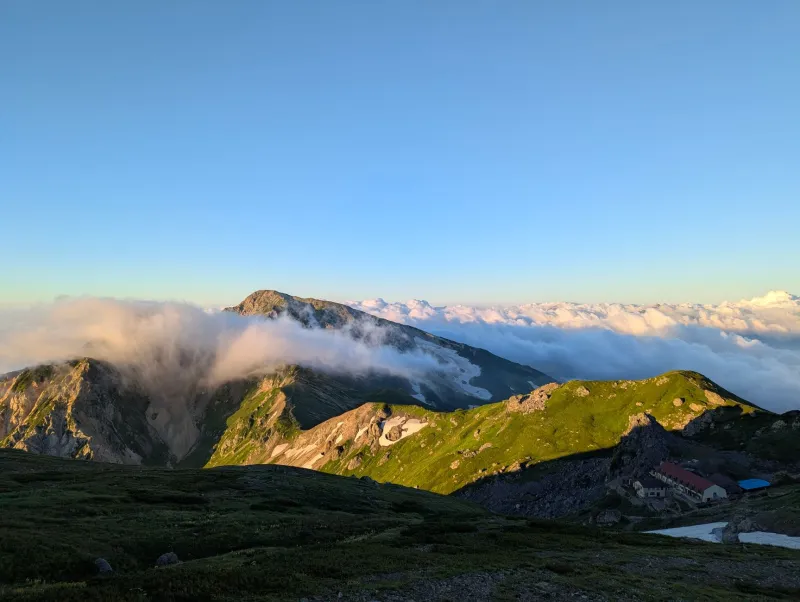
Nagano sits in a valley surrounded by the Japanese Alps, about 90 minutes from Tokyo by bullet train. It's not a metropolis. It doesn't have the nightlife infrastructure of Tokyo or the international art scene of Osaka. What it does have is space, quiet, affordability, and a local music culture that's been quietly building for decades — partly thanks to institutions like FM Nagano, which has long championed local and independent artists.
For American musicians arriving from oversaturated scenes, Nagano functions like a reset button. The cost of renting a studio space is a fraction of what it would run in Brooklyn. A decent apartment near the city center costs less per month than a parking spot in Manhattan. And perhaps most importantly, the creative community is small enough that new arrivals actually get to know people — not just network at them.
"In Brooklyn, I knew a hundred musicians and collaborated with almost none of them," says Derek S., a producer and multi-instrumentalist who relocated from New York to Nagano three years ago. "Here, I know maybe thirty musicians and I've worked with half of them. The density of meaningful connection is completely different."
What the Mountains Do to Your Music
There's a recurring theme in conversations with American expat musicians in Nagano: the landscape changes how they work. The seasons are extreme and impossible to ignore. Winter arrives hard and stays long. Summer is vivid and festival-filled. The natural environment has a way of pushing itself into the music whether artists intend it or not.
Derek describes his Nagano output as "slower and more patient" than anything he made in New York. "In the city, everything I made felt like it was competing for attention. Here, I find myself making music that's okay with silence. That's okay with space. I don't know if I could have gotten there without actually living inside that landscape."
Cassidy M., a singer-songwriter who left Los Angeles two years ago, says something similar. She'd been chasing a particular sound for years — something she describes as "melancholy but warm, like late afternoon light" — and never quite found it in LA's sonic environment. Within months of arriving in Nagano, she'd recorded an EP that she considers her best work. "The cold does something to your voice," she says, only half joking. "But more than that, the quiet gives you permission to go somewhere emotionally that city noise just doesn't allow."
Collaboration Across the Language Gap
One of the more surprising elements of the American-in-Nagano story is how much cross-cultural collaboration is actually happening. The language barrier is real — most of these artists arrived with minimal Japanese — but music has a way of negotiating around it.
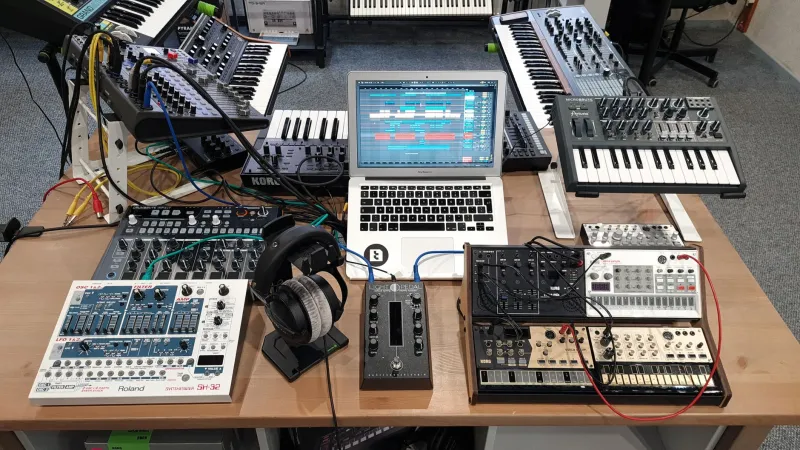
Derek has co-produced tracks with two Nagano-based artists he met through a local recording co-op. Neither speaks much English. He speaks almost no Japanese. The sessions run on a combination of basic vocabulary, music software, and what he calls "the universal language of pointing at things and making faces."
The results have been genuinely interesting — hybrid productions that blend American indie sensibilities with Japanese folk and ambient traditions in ways that feel organic rather than forced. A few of these tracks have found their way into FM Nagano's rotation, which for these expat artists functions as a kind of local legitimacy stamp.
"Getting played on FM Nagano felt like being accepted," says Cassidy. "It sounds dramatic, but when you've moved to a new country and you're not sure if you're welcome in the creative community, hearing your song on local radio means something real."
The FM Nagano Factor
It's worth noting how often FM Nagano comes up in these conversations. The station operates as a kind of connective tissue in Nagano's music world — a place where local artists get heard, where events get promoted, and where the broader community learns what's happening musically in the region. For American expats trying to plug into that community, getting familiar with the station's programming is practically a prerequisite.
Several artists mention listening to FM Nagano as a way of learning the local sonic vocabulary — understanding what Nagano audiences respond to, what genres feel native to the region, and how Japanese music production approaches differ from American conventions. It's informal education delivered through a car radio or a laptop speaker, but it works.
Is This a Trend or a Trickle?
To be clear, we're not talking about a mass exodus from American music hubs to the Japanese Alps. The number of American artists who've made this specific move is still small. But the conversations happening in online communities suggest that the interest is wider than the actual migration numbers indicate. A lot of American musicians are watching these expat stories with genuine curiosity, doing their own research, and quietly running the numbers.
What Nagano offers — affordability, creative community, natural inspiration, and a music culture that values craft over commerce — is increasingly rare. As American cities become harder and harder places to sustain an independent creative life, the Japanese Alps start looking less like an eccentric detour and more like a genuinely viable path.
For the artists already there, the move has already paid off in ways that go beyond the financial math. They're making better music, building real creative relationships, and finding their sound in a place nobody expected them to look. That's a pretty good return on a leap of faith.